


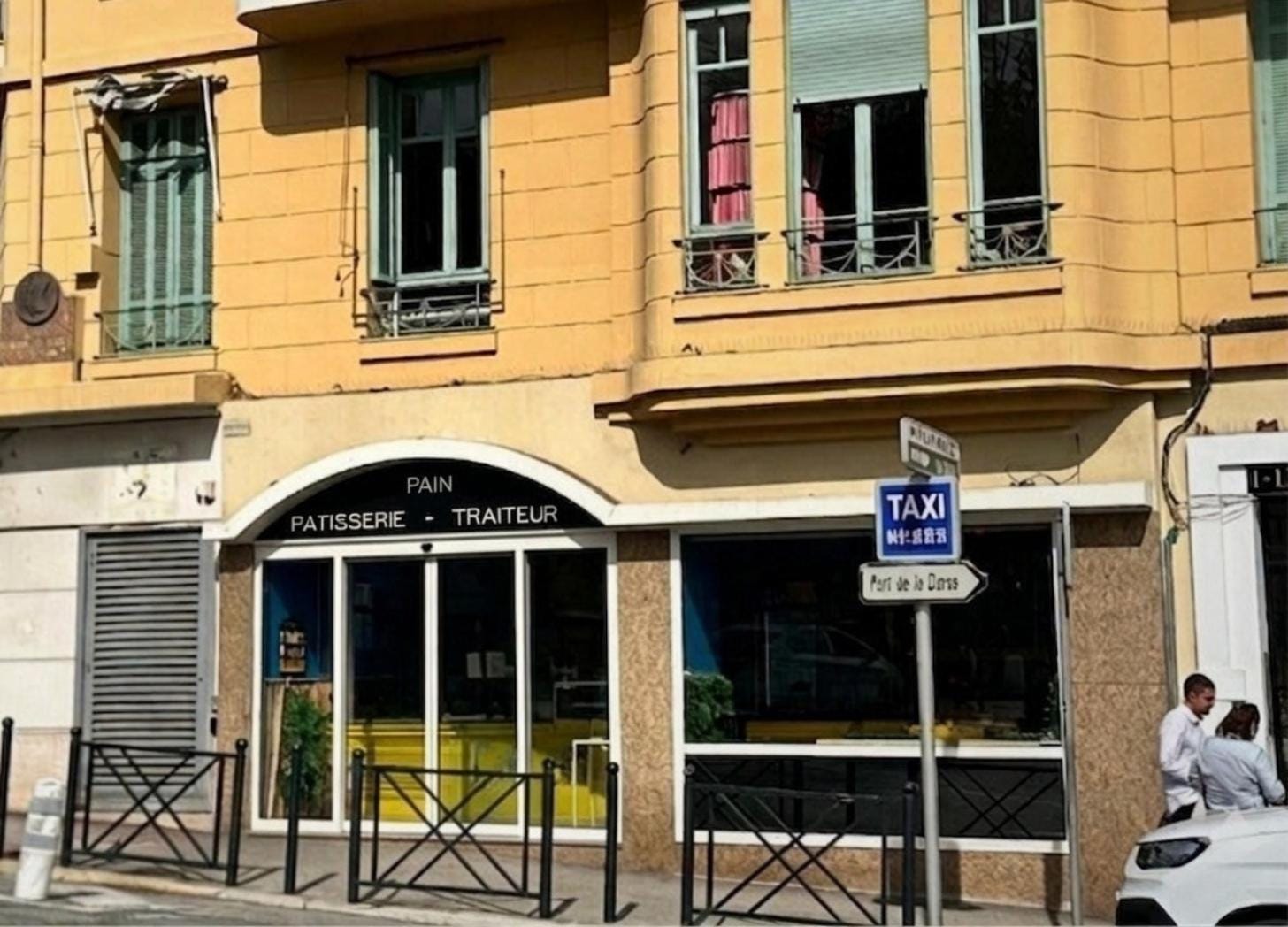
The corner where a lovely bakery used to be is empty now.
I’ve been to Villefranche-sur-Mer three times in the past year. I’m here now. The boulangerie is gone. So is a bank. So is the post office. The town sits on the French Riviera, outside of Nice tucked into limestone cliffs.
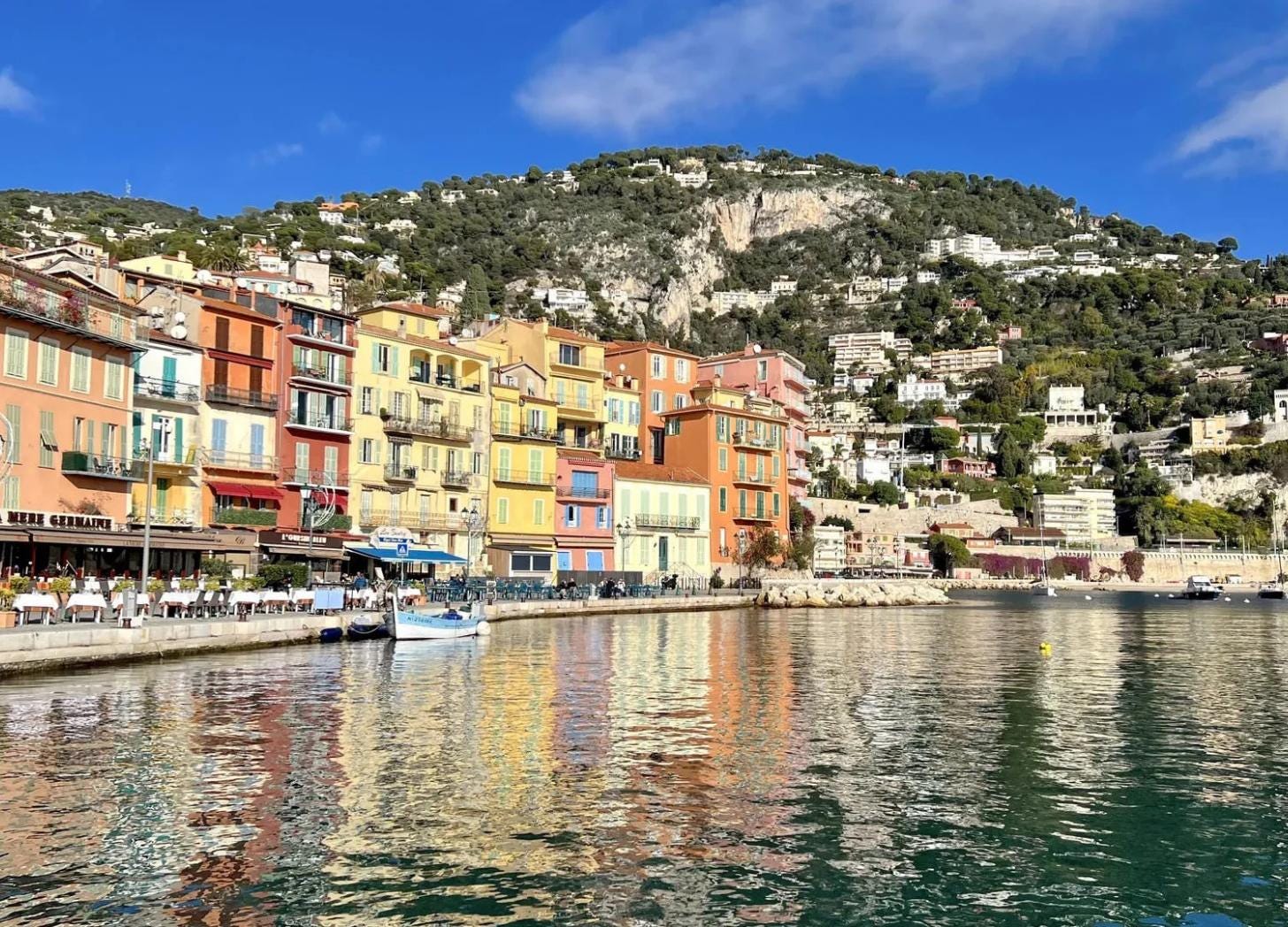
A long-time resident called it morte.
Dead.
More homes sit empty most of the year than are lived in full time. The people who keep a town alive, the ones who need a bakery on Tuesday morning, who cash a check at the bank, who mail something at the post office, don’t live here anymore. The people who own here now show up for July and August.
A bakery can’t survive on July and August.
This past week, Villefranche elected a new mayor. Robert Capelier won in a tight second-round vote on March 22. There was a party on Friday night down by the harbour. Anyone was welcome. People showed up hoping he could bring the town back. Housing is his mission.
My rented apartment was a block from the party.
Villefranche isn’t drowning in visitors. Well, at the moment. It’s not on the cover of a travel magazine killing it with foot traffic. It’s not Dubrovnik in July or Amsterdam on any given Tuesday. The boulangerie didn’t close because 400 people showed up and bought out the croissants. It closed because not enough people live there to need it every morning.
That’s a different problem. And it requires a different conversation.
I wrote about destinations becoming more valuable as images than as places, last Sunday. The photo economy. The destination that exists to be photographed rather than lived in. This week is the same root, different wound. When real estate replaces residents, you don’t just lose housing. You lose the daily life that made the housing worth buying.
The people who bought those properties fell in love with the pastries or, the park with an open-air market, the blue of the sea, the way the woman at the post office knew everyone’s name. Then they bought a piece of it. And replaced someone who needed it year-round with a key lockbox and two weeks in July.
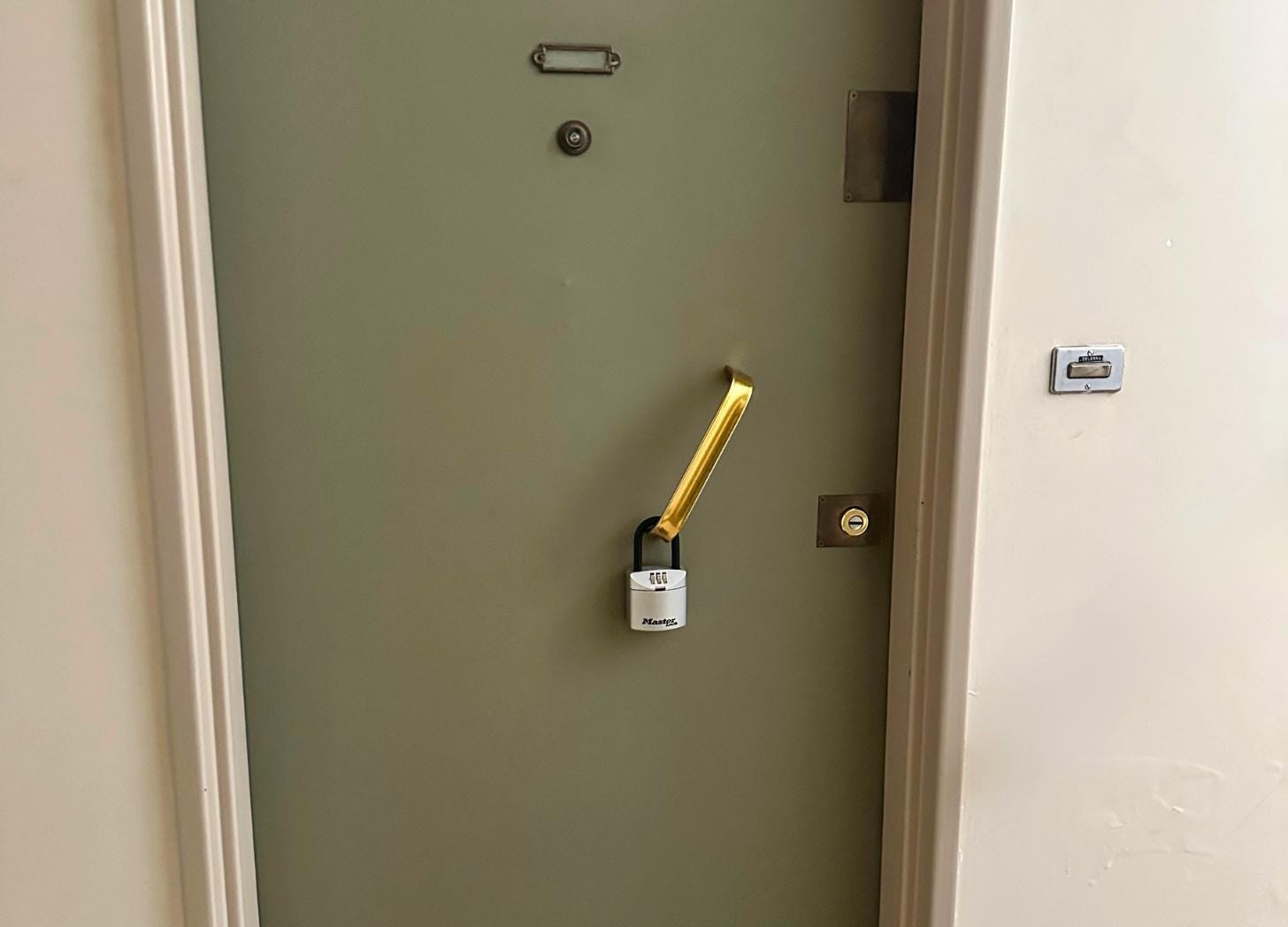
They didn’t kill the town on purpose. They hollowed out the exact thing they paid to be near.
Other towns have tried to stop this. None have figured it out.
In 2016, St Ives in Cornwall held a vote. Over three-quarters of voters said yes: stop new homes from being sold as second residences.
The problem is, new builds were only a tiny fraction of the housing stock. The existing homes kept selling to outsiders. Prices kept climbing. Whether the policy failed or was just too small to matter depends on who you ask. Cornwall has since added a 100% council tax premium on second homes. No I did not add an extra zero, 100%.
It took effect last year. Nobody knows yet if it changes anything.
Wales went further. The law now allows council tax premiums on second homes up to an eye-popping 300%. Some counties hit 150% - 200%. House prices dropped. Second homes went on the market.
The bakery didn’t come back.
On the north coast of Northern Ireland, the same thing is happening. In Portstewart, as many as one in four properties are second homes. A lawmaker said what everyone already knew: the towns are dying. Empty streets. No children. No policy yet.
They’re still in the naming-the-problem phase.
And in Provincetown, Massachusetts. The year-round population is roughly 3,500. In summer, it swells to tens of thousands. In Provincetown and on Martha’s Vineyard, workers cycle through partial-year leases because they can’t afford year-round housing. On the Vineyard they call it the Shuffle.
Every destination tried something different.
None of them got the bakery back.
Here’s the bitch.
Some of you reading this are in the tourism industry in a town like this. You run the guesthouse or inn. You take the bookings. You pay attention to your reviews, and you do your job well. And you watch the post office close. You know the family that had to leave. You wave at neighbors you no longer have.
You’re on both sides of this, and you know it.
I’m not telling you to stop. I love tourism; it’s been my career. I’m asking you to count what you’re losing before it shows up in shuttered windows. The thing people come to your destination or town for is the thing that’s leaving. The people are the one thing you can’t replace.
Because the moment worth paying attention to isn’t when the mayor gives a speech, it’s before that, before the bakery closes. Before the post office goes. When you still have something left to fight for instead of something left to eulogize.
I want that corner near the park open again, with pâtisseries in the window.
The cold reality. The Wales tax hikes sounded like a possible solution but you're right -- that won't bring back the lost restaurants or bakeries, etc. And it obviously is becoming a world-wide phenomenon.
This is happening on the Greek island I was born and now live (6 months of the year).
Like you, Hospitality has been my life. I have lived and worked across 3 Continents and then came back to the island to create a hospitality business.
I’m on both sides of the coin and have witnessed multiple, derelict or not houses, being sold over the past 20-30 yrs to mostly non-Greeks, simply because Greeks don’t have the purchasing power to buy homes anymore!
The new owners come for 2weeks of the year for their holidays and the rest of the year these newly built, smartened up houses sit either empty or rented through Airbnb!
They compete alongside my properties, without having to pay the taxes I pay to the Government or the local authorities!
If you ask the local real estate offices or the mayor’s office, they will call this ‘Progress’ and Modern development. They are clueless and refuse to even contemplate the consequences this so called Progress has brought.
Whole neighbourhoods being deserted for most of the year, businesses closed, professionals that come to live and work on the island not being able to rent homes for their families ,(as these are only available for 6 months of the year and at astronomical prices), and everything else you mention in your post.
It’s a real threat and the ppl in power only see monetisation! I see it as a vicious circle that is really hard to break without hurting either sides beyond repair. It’s the kind of danger that requires very surgical tactics and ppl that can make a difference in the local community without prioritising their own pockets first, but, this is not the kind of utopia we’ll come across anytime soon!