

Whoever Sets the Guest Expectations Win
A lot of it is already decided before your guest ever finds you.

Before most visitors arrive, they have already set in their mind what your destination is supposed to look like. And how they are supposed to behave in it.
That sounds harmless. It’s not. It’s why guests show up disappointed, confused, and harder to serve from the moment they arrive. And why you and your team spend time fixing expectations instead of delivering the experience.
If you stand by the lake in Hallstatt, Austria for a few minutes, you see it play out in real time.
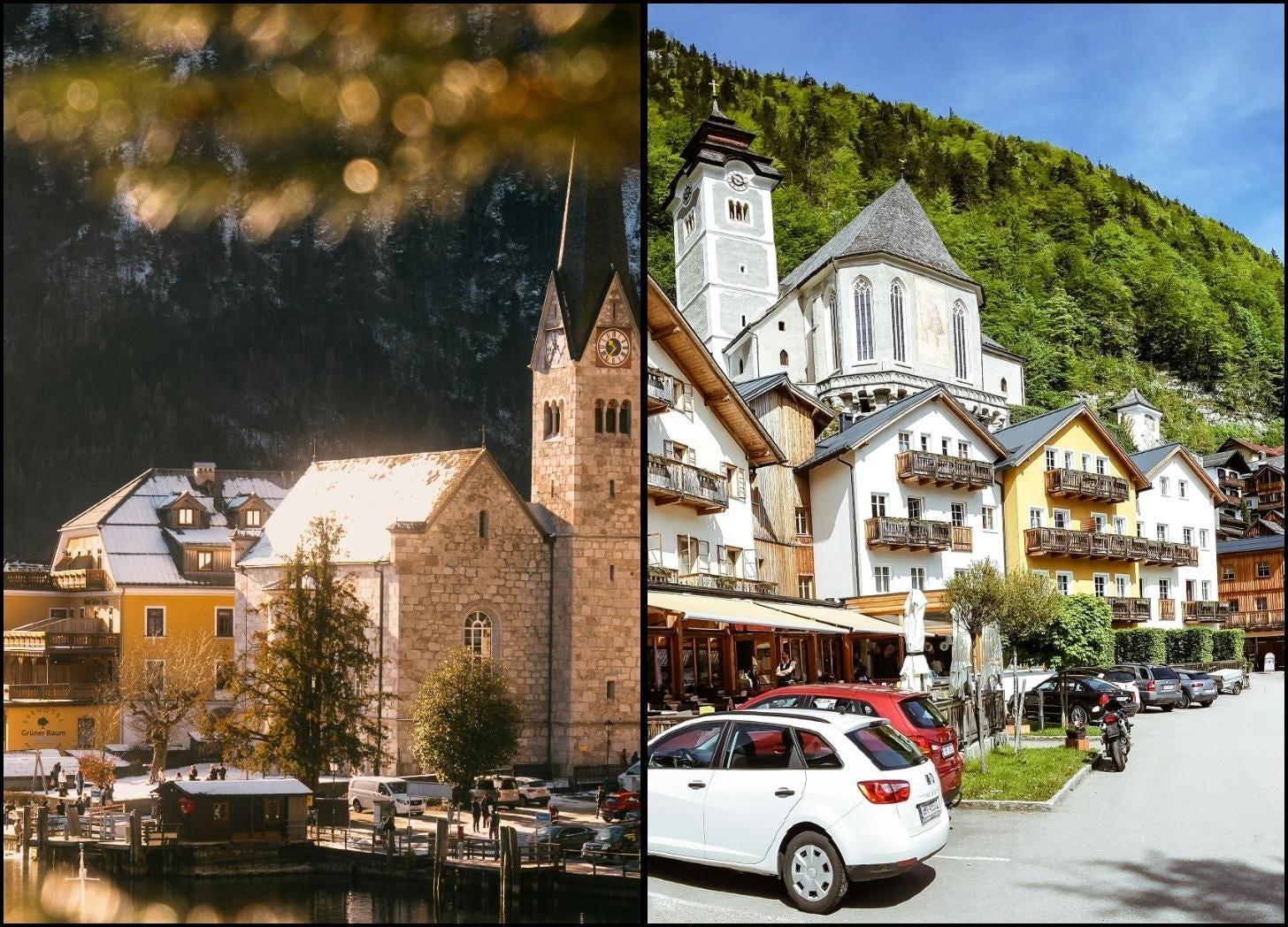
Sightseers move toward the same stretch of waterfront, pause, and raise their phones toward the church steeple and pastel houses reflected in the water. Some scroll first. Checking the angle they saved earlier, then step forward to recreate it.
Hallstatt has fewer than 750 residents, yet millions of people recognize that single view.
People don’t arrive curious anymore. They arrive already decided on what it’s supposed to be.
By the time tourists arrive, they are not discovering the destination. They are confirming the version they saw online.
If you have ever had a guest say, “this isn’t what I expected,” you are already dealing with this.
Expectation is the product now. The experience just delivers on it.
This isn’t a trend. It’s a shift in how travel actually works now.
Travel starts long before booking. What’s changed is who shapes that early experience and what it costs when they get it wrong.
Your visitors arrive pre-trained. Someone else did the training, and you had no say in it.
Guests don’t show up unsure. They show up certain, and often wrong.
Tourism marketing didn’t just miss this. It accelerated it. Destinations have always shown their best side, but those images are now amplified by millions of travelers sharing their own versions of the same place.
Most destinations are still marketing what a place looks like instead of what it’s actually like once you’re there. That’s the problem.
This is a shift from promotion to preparation.
Promotion attracts attention. Preparation shapes behavior.
Most destinations now have two versions: the place itself, and the one people saw online.
Visitors arrive with both in their head.
When Everyone Shows Up for the Same Shot
Hallstatt is one of the clearest examples of this shift. Over the past decade it has become a global social media icon. A small town attracting millions each year. At times the crowds became so intense that officials installed barriers to block the most photographed viewpoint and began limiting tour buses entering the town.
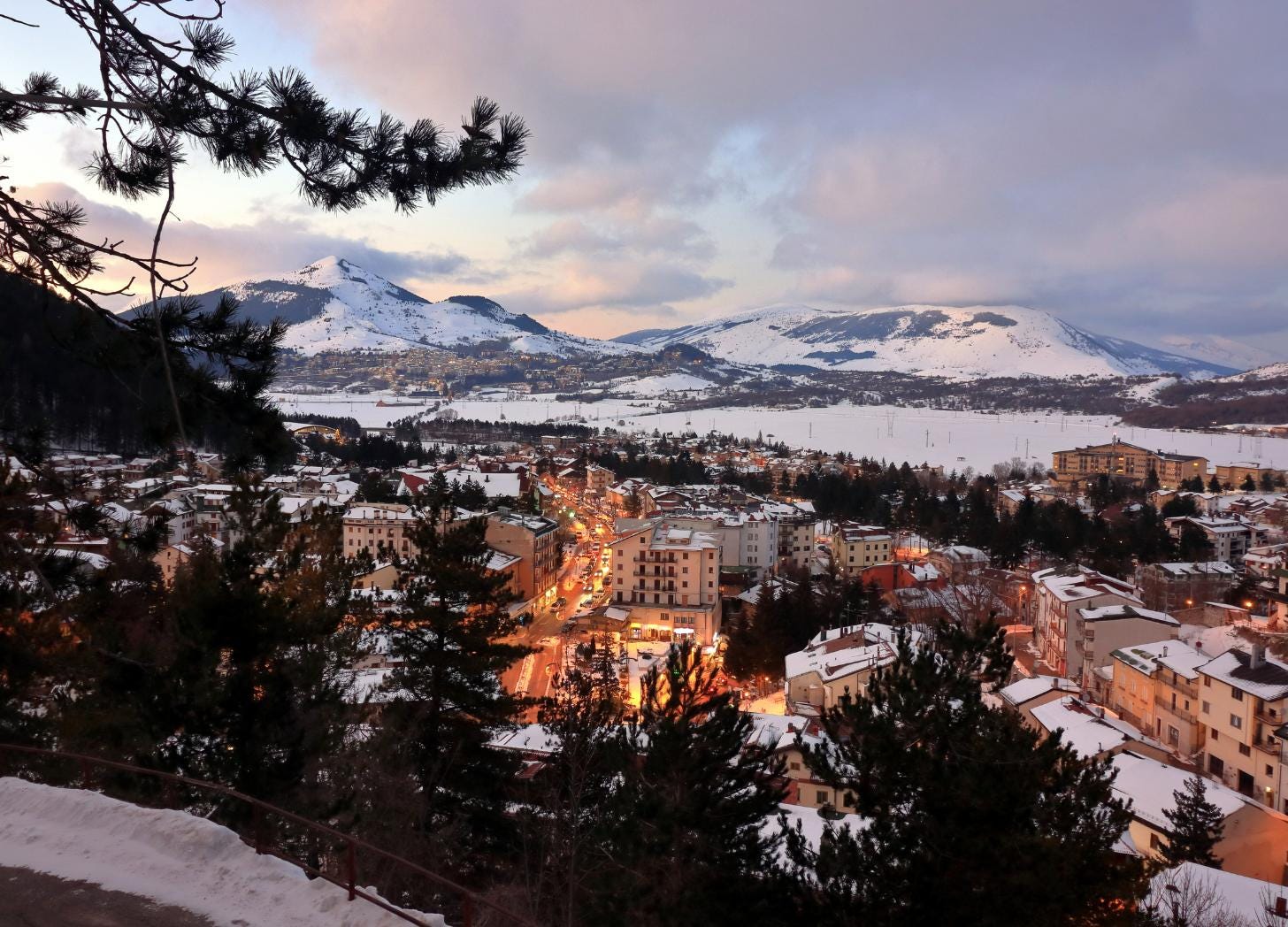
A similar pattern appeared in Roccaraso, a mountain ski resort in Italy’s Abruzzo region. After a TikTok influencer posted videos of the snow-covered slopes, over 10,000 visitors descended on a town of 1,600 residents in a single day. Roads clogged and slopes overcrowded. Day trippers who had paid $20 USD for a tour arrived with no knowledge of ski etiquette, local norms, or the limits of the place they were visiting.
In the United States, the National Park Service has repeatedly reported visitors leaving marked trails to reach photo angles they saw on social media, particularly at places like Horseshoe Bend and Glacier Point in Yosemite. Rangers say most visitors are not trying to cause problems. They are following what they saw online.
What people see online does not just shape where they go. It shapes how they behave when they get there.
Visitors are not exploring. They’re reenacting what they saw, down to where to stand and what to touch. Cues written by someone who was never responsible for the place.
Sometimes those cues ignore boundaries, safety, or local norms. In many cases, visitors arrive having already learned how to behave somewhere from someone who didn’t live there.
They’re not just managing crowds. They’re dealing with behavior that was learned somewhere else, and every viral post trains the next wave before they arrive.
You don’t get a say in what they learned.
The industry spent years optimizing for visibility. Now it’s dealing with the consequences of it.
Where This Hits First: Operators on the Ground
This does not show up first in strategy decks. It shows up in operations.
Hotels, hosts, guides, and tour operators are downstream of content they didn’t create, written by people who don’t run the place, and believed by guests who think they already know what to expect.
Guests arrive expecting walkable distances that aren’t walkable. Quiet viewpoints that are crowded by noon. Access to places that are private, protected, or seasonal.
Staff end up resetting expectations in real time.
You and your team are cleaning up expectations set by people who don’t run the place.
You don’t control what the guest believes. They’re certain they’re right. By the time you step in, the experience is already going off the rails.
When expectations are off, reviews drop, and teams burn out. You see it quickly.
If you don’t shape expectations before arrival, you will spend your entire operation managing the consequences after. The destination story is already breaking before the guest arrives. Local businesses are just the ones absorbing it.
This Changes the Job
Social media has also created real opportunity. Small destinations now have visibility that once required significant budgets, and remote regions can reach global audiences in ways that weren’t possible a decade ago.
But visibility moves faster than infrastructure, planning, or visitor education. That changes what this job actually is.
Marketing is now behavior design, whether you signed up for that job or not. Every piece of content you publish is either teaching people how to behave or letting someone else do it for you.
Marketing, owners, and operators need to be aligned on what the experience actually is before the guest arrives.
Most destinations are still chasing attention. That’s what created the problem. The ones that win shape behavior.
Start with a simple review.
Look at your top-performing content. What is it actually teaching people to do when they arrive? Stand here? Crowd here? Skip everything else?
Show how to experience a place, not just what it looks like on a good day. Point out the local rhythms, boundaries, and tradeoffs before they arrive. Broaden the story beyond one iconic viewpoint, or everyone ends up in the same place.
If this isn’t addressed, the first thing that breaks is the review score. The second is your team. And the local community feels it not long after.
It’s Not Just the Crowds
This goes beyond demand. It’s the gap between the version of the place people see online and the one people actually live in.
Residents aren’t just reacting to crowds. They’re reacting to behavior that doesn’t fit the place, and to a version of their town that no longer feels like theirs. That runs deeper than the crowds, and it doesn’t go away when the season ends.
The Story Is Already Out There
For decades, destinations controlled how their story was told.
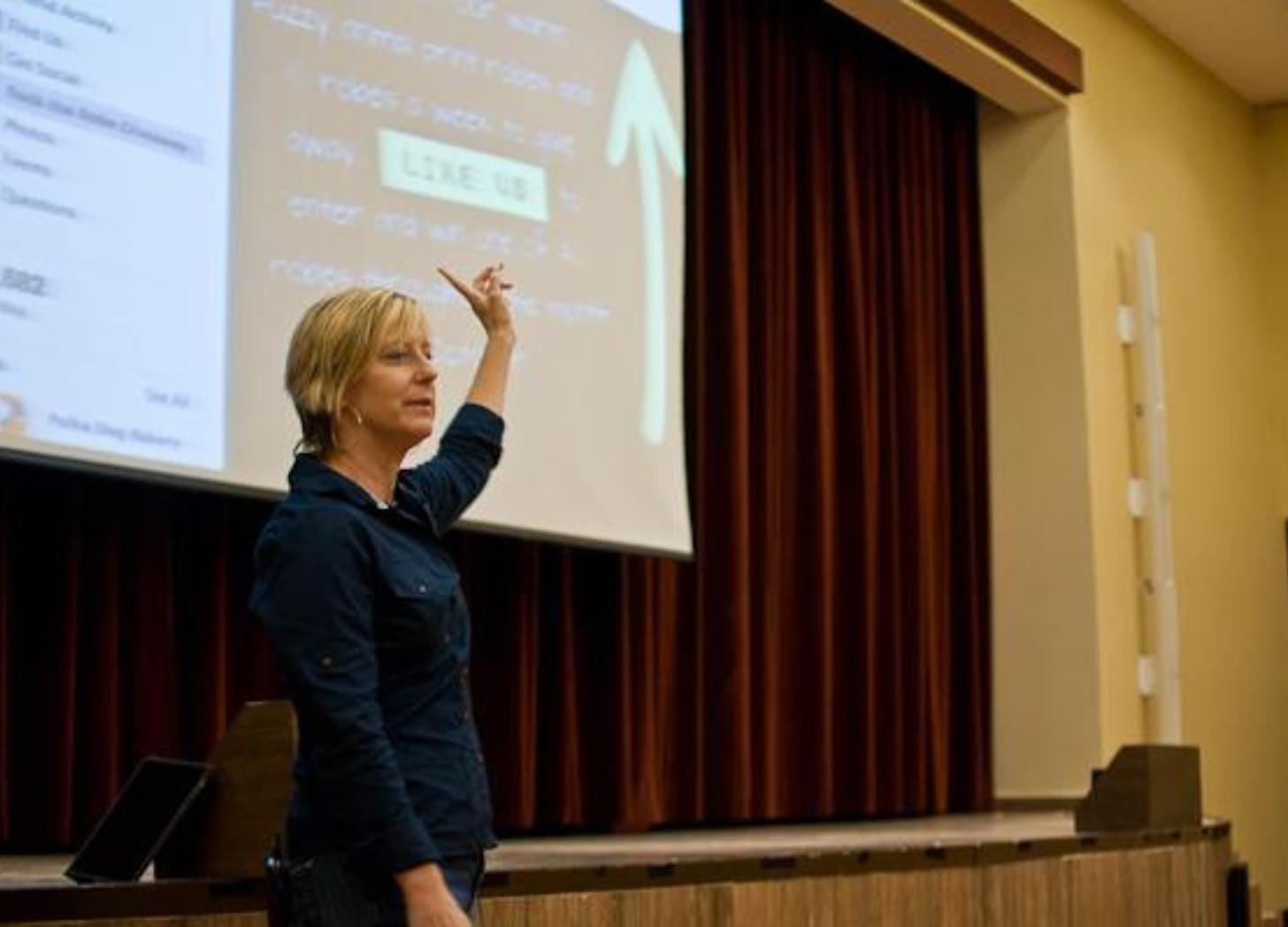
Back in 2009, during the economic crisis and swine flu in Mexico, I organized a conference in Cancún. A small group of us were already using early social platforms to show what was actually happening on the ground and push back on travel fears. We wanted to show others what social media could do, and how to use it to show what was really happening.
I told a room full of hotel operators that social media would matter. One woman said her property would never be on Facebook.
Same goal then as now. Get to people before someone else does.
What’s changed is who controls that perception. In the past, destinations shaped how they were seen. Today, that’s often set before they even enter the conversation.
Destinations used to own the story. Now they inherit someone else’s version and try to operate inside it.
The goal isn’t to take control of the story again. It’s to get there earlier.
A single video can introduce millions of people to a place overnight. One angle becomes the angle. One moment becomes the expectation.
So Now What
Social media didn’t change why people travel. It changed where the trip actually begins.
The experience doesn’t start at arrival. It starts the moment someone sees your destination online. People show up with a picture in their head and a way of being there they picked up somewhere else. Sometimes it doesn’t fit at all.
Destinations, hotels, and other businesses are all dealing with the same reality now.
You can shape expectations before people arrive.
Or you can manage the consequences after they do.
Those are the only two options. And one of them compounds the problem every season, because every visitor becomes the next piece of content.
If you’re seeing this play out where you are, I’d love to hear it.
What’s one place where the version online doesn’t match the one on the ground?
Marketing is now behavior design. Inspirating quote. And, yes, my Chinese cool hospitality hunters came up with Hallstatt as well. Social Media Reigns. Thanks. CR
This is a masterclass in the 'Expectation Economy.' You’ve hit on the exact reason why Predictive Personalization is no longer a luxury—it’s an operational survival tactic.
In my work, I call this the 'Silent Guest Journey'. If we aren’t using tech to reach the guest the moment they book, we are essentially letting a stranger on TikTok write our SOPs. We are downstream of content we didn’t create, and our staff—the heart of our 'Human Stack'—are the ones who burn out trying to fix a reality that doesn't match the digital dream.
The shift you’re describing from 'Promotion' to 'Preparation' is where Agentic AI steps in. We should be using automated, 'machine-readable' touchpoints to drip-feed the local rhythms and 'Filoxenia' norms to the guest long before they arrive.
If we don't shape the behavior through pre-arrival education, we’ll spend our entire payroll managing the consequences of a 'decided' guest. As you said, the experience doesn't start at check-in; it starts at the first scroll. Let's make sure the 'Digital DNA' we put out there is honest, not just viral.