

Destination Sunday: Dreaming of making a Best-Of travel list? Think again.
Making the list is the celebration. The hangover is your problem.


This week, a destination marketing director saw their destination on a major travel list. Screenshot to the board by lunch. Press release by three. LinkedIn post before dinner.
NatGeo. AFAR. CNN. The New York Times. Condé Nast. Over 200 destinations named in a two-week window. Some named on multiple lists at the same time.
I’ve seen the celebration.
Here’s the part nobody includes in the press release.
The lists know what they’re doing
The New York Times’ 2025 editorial brief to its “52 Places” contributors said this: “The word of the summer has been ‘overtourism,’ so in putting together the coming year’s list, please keep that in mind. Are there places we can suggest that might help mitigate the crowds? Can you, at the very least, do less harm?”
The list is aware it creates the problem it’s trying to solve.
Craig Mod, a regular NYT contributor who recommended Morioka (#2 in 2023), described what happened when the list dropped. Morioka is a mid-size Japanese city. Population around 290,000. Not a tourist hub. A regional capital that most international travelers hadn’t heard of.
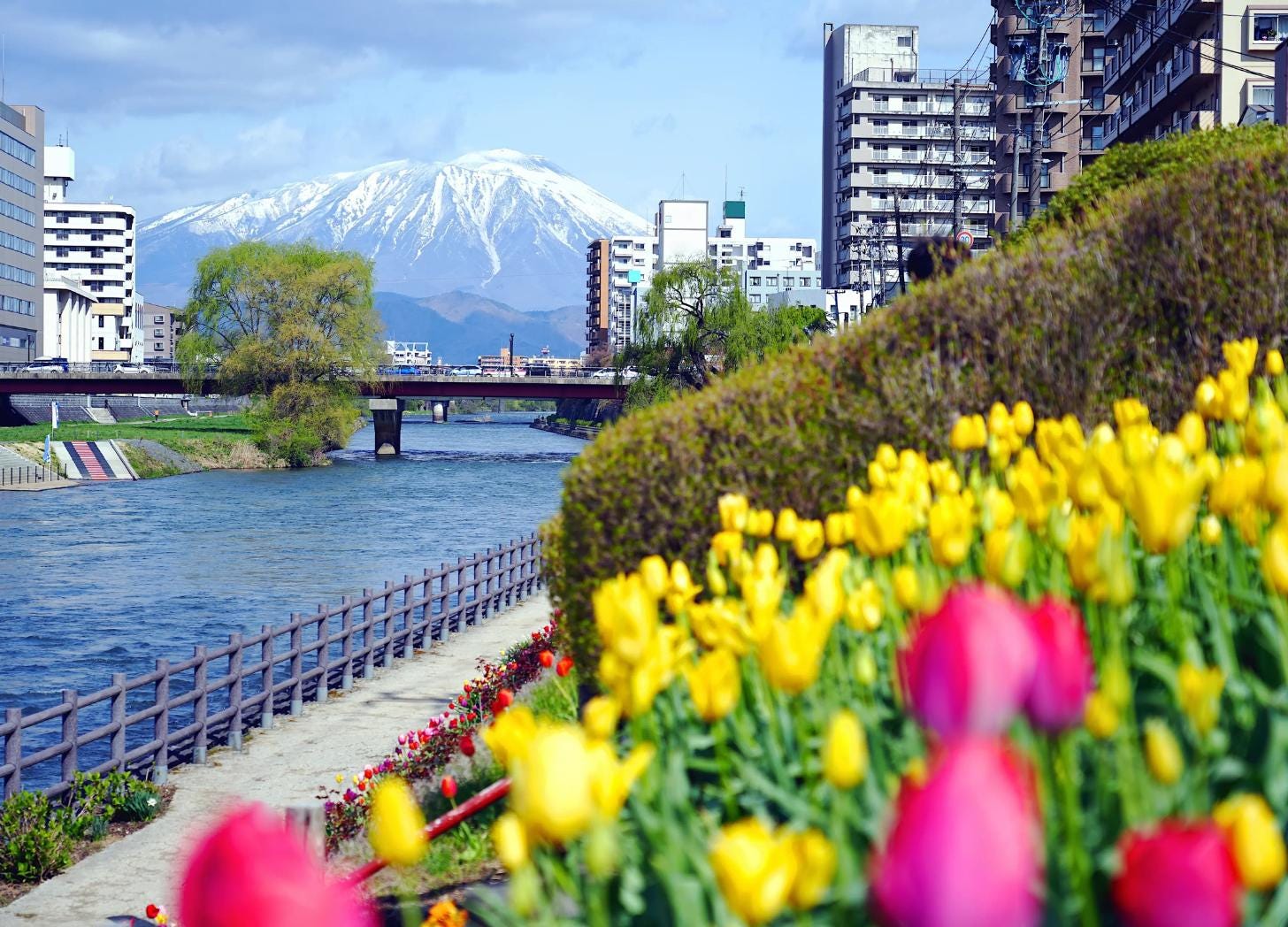
The mayor told press they were “surprised.” The city hadn’t campaigned for inclusion. Journalists from nearly 20 outlets called Mod wanting to know why he’d suggested “just another midsize Japanese city.” Mod didn’t know whether his pick would be selected, or where it would rank, until publication day. Neither did Morioka.
That’s the pattern.
Your destination wakes up on a list it didn’t apply to, didn’t prepare for, and can’t control what it says.
A reader later pointed out that another city’s featured attraction on the same list was covered in scaffolding and wouldn’t be visible again until 2026. The contributor who nominated it had missed this. The visitors who booked because of the list would not.
Travel lists are traffic machines. The ranked, numbered, “best of” format is built to drive clicks, affiliate bookings, and revenue. The NYT’s “52 Places” is one of the publication’s biggest annual traffic generators. Every major list this cycle included some version of “we want to lessen overtourism” in its framing. Then they named 200+ destinations and hit publish.
What this looks like at your scale
You don’t need a hundred-fold increase for this to hurt. You need a 30-40% bump in a place already running at capacity on summer weekends.
Two stoplights. One public restroom downtown. Visitor center open four days a week. Your three most popular restaurants already have 45-minute waits on Saturdays. Your one scenic overlook has parking for 20 cars. Your chamber website still lists last season’s events.
A list sends new visitors next month. They don’t arrive in a spreadsheet. They arrive on a Tuesday, expecting the version of your town that the list described. The restaurant is closed Mondays. The “emerging food scene” has three places and two of them are seasonal. The photo was taken in October. They booked for March.
That disconnect is where repeat visitation dies. Someone drives through, doesn’t stop for lunch, doesn’t come back, and never writes a review explaining why.
You won’t see that visitor in your data. You’ll feel it in next year’s numbers.
I’ve watched a “win” like this stretch a small town thin.
Celebrate after you check whether you’re ready.
Mod defended the impact: “These recommendations are mostly positive. They bring attention and tourism dollars to off-the-map worthy locations.” He’s not wrong. But Morioka didn’t get to decide what to do with the attention before it arrived.
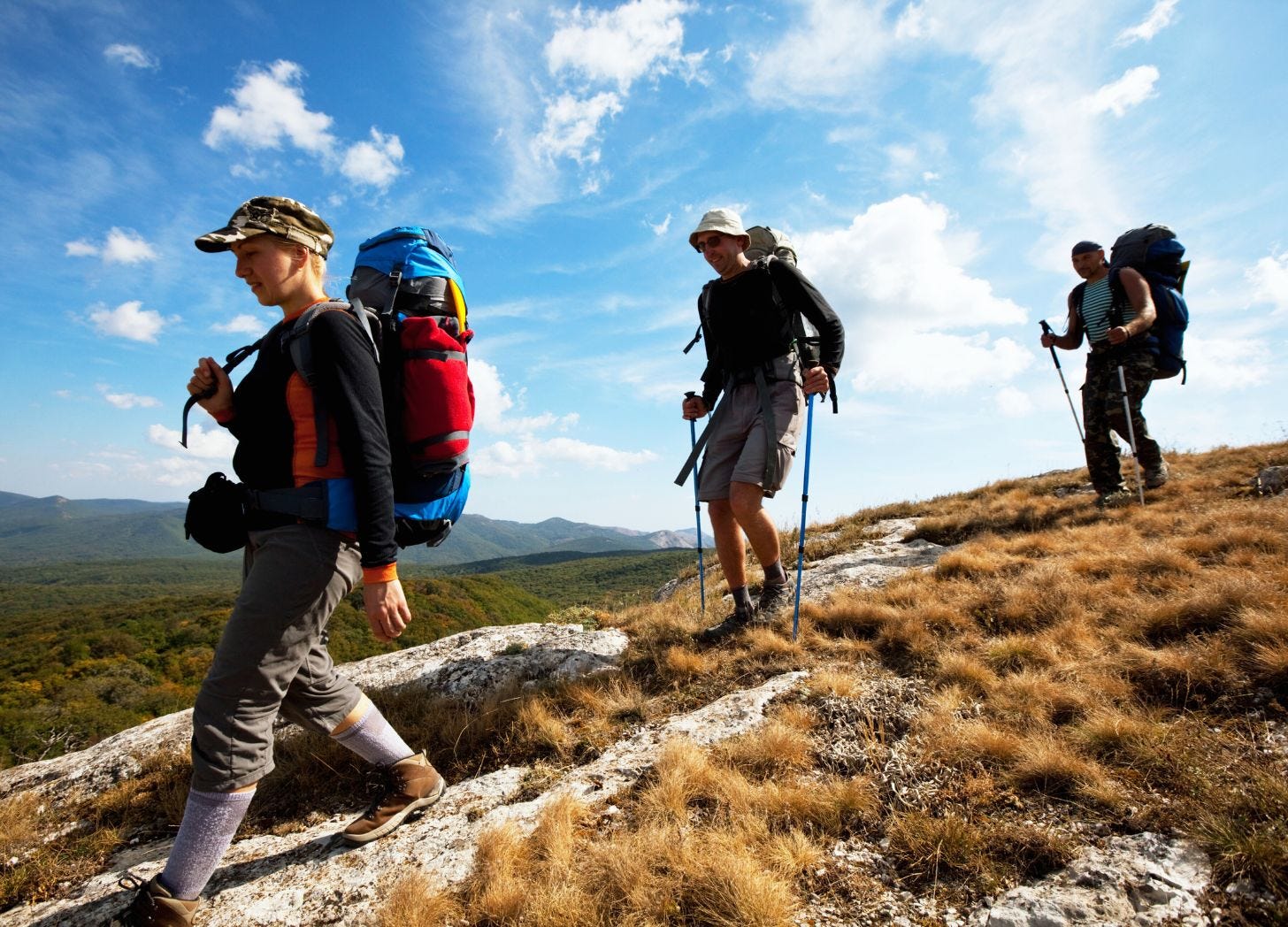
A local hiking spot in Norway went from 800 annual visitors to over 80,000 in less than a decade. Almost entirely social media. Unprepared tourists in wrong footwear triggered 42 rescue operations in a single year. The municipality raided other budgets for trail safety it never planned for. “International hiking destination” wasn’t in the budget spreadsheet.
Overtourism concerns don’t track with how many visitors a place gets. They track with how fast the number changes.
“Fast” is what list placement produces.
The destinations next door
There’s a version of the list hangover nobody talks about: spillover.
When the listed destination’s parking lots fill up and its restaurants hit two-hour waits, visitors don’t go home. They drive to the next town. Your town. Without any of the preparation, any of the context, and none of the economic benefit.
They get the headline. You get the parking problem.
If your region has a destination that made a list this cycle, the readiness question applies to you too.
48-hour readiness checklist for destinations named on best-of travel lists
If your destination appeared on a list this recently, or if one in your region did, here’s a response you can put on an agenda this week. Name it. Assign it. Run it before the visitors arrive.
Hour 1-8: Know what was promised
Read the full list entry. What did the publication say? What photos did they use? What season do the images suggest? What did they name? Print it. That’s the promise your visitors are carrying.
Some entries name specific places. Others sell a vibe: “a food scene on the rise” or “an outdoor paradise worth the detour.” When the entry is impressionistic, figure out which real places will absorb that vibe. Where will someone who read “food scene on the rise” try to eat? Where will “outdoor paradise” try to park?
If you’re the destination next door: Read the entry for the destination near you. Your version of this step is knowing what those visitors came for, so you recognize them when they end up with you instead.
Hour 8-24: Walk the promise
Visit every place the list mentioned or implied. As a first-time visitor would. On a weekday. Is it open? Do the hours match Google? Does it look like the photo? Can someone who doesn’t know the area find it without calling anyone?
Check what the list didn’t mention but visitors will need: the closest bathroom to the featured attraction. The parking. The two restaurants within walking distance. Are their listings accurate?
If you’re the destination next door: Drive the route a frustrated visitor would take from the listed destination to your town. What do they find first? A closed visitor center? A gas station with no signage? A charming downtown they don’t know exists?
Hour 24-36: Brief your business owners
Tell your top 20-25 businesses a list dropped. Share the entry. Most businesses won’t have seen it. The ones who interact with visitors first, the front desk, the coffee shop, the gas station, need to know what story the visitor arrived with.
If the list mentioned specific businesses, call them. Ask if their hours, menus, and availability match what the list implies.
If you’re the destination next door: Brief yours too. “The town 30 minutes east just made NatGeo’s list. When their parking fills up, some of those visitors end up here. Here’s what they were looking for. Here’s what we offer.”
Hour 36-48: Close what you can close
Update your website if the list drives visitors to outdated pages. Add a “Featured in [publication]” page that sets accurate expectations: what’s open, what’s seasonal, what to know before you visit. Not a press release. An arrival guide.
Fix the Google listings you can fix. Flag the ones you can’t. One-page handout for businesses: “We were featured in [list]. Here’s what visitors will expect. Here’s how to check your listings in 10 minutes.”
If you’re the destination next door: Make yourself findable on purpose. Update your listings. Make sure your website says what you are, not just what you’re near. If you have capacity when the listed destination doesn’t, say so. Not as competition. As hospitality.
After 48 hours: Assign the ongoing work
One person owns monitoring. Track what visitors ask about. Watch for reviews where expectation and experience don’t match. Report back in 30 days.
That window is your only shot at closing the distance between the story and the reality.
Why the mismatch matters more than the list
A study of 411 first-time visitors to a resort destination measured the gap between what they expected and what they found. If reality beats the hype, you win a repeat visitor. If it doesn’t, you lose both the return trip and the referral.
TikTok travel content views increased 410% from 2021 to 2024. Seventy-five percent of travelers say social media is their top influence on destination choice. The list is the match. Social media is the accelerant. The disconnect between promise and delivery is where the damage lands.
This stint, some destinations appeared on five or six lists at once. One Caribbean island of roughly 2,000 residents appeared on two major lists simultaneously. What could have handled 30% growth over six months now has to handle it in six weeks.
The destinations that handle this well built systems before the attention arrived: regional branding that spreads visitors across a corridor, arrival coordination that makes the whole route work instead of piling up at the three places everyone already knew. You don’t need a national program. You need to make sure the experience matches the story.
For the destinations that didn’t make a list
You just watched someone else get a free stress test. Use it.
Pick a destination similar to yours that appeared on a list this cycle. Watch what happens over the next six months. Then run the same audit on yourself. Not because a list is coming, but because the weaknesses are already there.
Run the check with AI
If you don't have a team to run this review, you still have 10 minutes and ChatGPT.
Copy, paste, and fill in the brackets. These are starter questions, not scripts. Let the conversation go where your destination needs it.
For destination leaders
Our destination: [name]
Featured on: [publication/list name]
Description used: [paste description]Assume a first-time visitor arrives motivated specifically by that article.
Briefly describe what their first 2 hours likely look like step-by-step.
Then ask me 5–7 highly specific, operational questions about:
What’s actually open
What’s accessible without reservations
What requires advance planning
What may be seasonal, closed, or capacity-limited
Where signage, transportation, or staffing may break expectations
Identify where the largest expectation gap is likely to appear between the published description and on-the-ground reality.
Avoid generic strategy questions. Focus on friction a real visitor would encounter immediately.
For businesses in the region
A major publication featured: [destination]
We are: [distance/time away]Assume some visitors will arrive disappointed, full, or unable to access what they expected there.
Ask me 5–7 practical questions about:
What those visitors will immediately need
Whether we are discoverable at the moment of frustration
What signals we send that we can solve their problem
What small adjustments would convert them from overflow to intentional guest
Focus on findability, clarity, and readiness in the first 24 hours.
For chambers
Our region includes: [listed destination] and surrounding communities.
Assume the feature increases demand unevenly.
Ask me 5–7 operational questions about:
How overflow physically moves through the region
Which communities absorb it without preparation
Where infrastructure strain will show first
What a shared readiness or communication protocol would need to include
Keep the questions grounded in traffic flow, hours, staffing, signage, booking systems, and public information accuracy.
If you want the board-ready version of this audit as a downloadable checklist, I’ve built one.
Lists don’t break destinations.
Unprepared ones break themselves.
Attention doesn’t build capacity. It exposes it.
If you can’t deliver the version of your town that a writer in New York just sold to a few million readers, the list isn’t the opportunity.
It’s the exposure.
If you celebrated this week, good. Now run the audit. The visitors are coming whether you do or not.
This is Destination Sunday. I write here every week for the people running DMOs, chambers, and destinations who want more visitors in town, and want those visitors to find what they came for.
If this would help a colleague who just celebrated a list placement, or one in the same region, send it to them.
It reminds me of a comment Anthony Bourdain made after stating, a few years in, that he'd found his favorite bar in Tokyo. He wouldn't name it. He basically said, Been there, done that, and now I'm persona non grata. Can't even get an Asahi. Good post, Kay, to get info to those in hospitality before the boom hits their town, if it does.
This is scary.
It's nice to be recognised but as you so rightly point out it can turn into a nightmare.
I also hadn't thought about the problems Tiktok and its influencers can cause.
I would imagine a quality magazine might be amenable to showing an article before publication but an influencer definitely won't.
Somehow the public needs to driven from the main towns and cities or ones made famous through recognition and into less well known places where the vibe is just as good but without the crowds.
And as travel and tourism expanded the problems are only going to get worse.