

Destination Sunday: More Marketing Won’t Fix This
Tourism succeeds or fails less on promotion and more on what visitors experience once they’re there.


Most destinations are doing a lot right.
Campaigns go out on time. Content lands. Partners stay engaged. From the outside, things look steady.
And yet, the results don’t line up with the effort.
Not panic. Just things not lining up.
That quiet question that shows up in planning meetings and late-day conversations:
Why does this still feel harder than it needs to be?
The belief we inherited
Most destination strategies still rely on a familiar equation.
Market better, get better results.
Get more visibility, create more impact.
Bring in more visitors, and the community benefits.
That belief made sense when discovery was the hard part.
Today, discovery is easier than it used to be. People can find you in seconds. What they decide next is whether they trust the place once they arrive, and that choice shapes how money actually moves through it.
Where things start to get stuck
Destinations carry responsibility for what actually happens, even when they don’t fully control it.
You’re responsible for whether tourism helps or hurts the local economy and how residents feel about it. But many of the pieces that shape the experience aren’t really in your hands.
So when results disappoint, the instinct is to promote harder: more campaigns, more storytelling, more messaging.
But the issue rarely sits in marketing.
It lives in the space between the promise and the experience.
When that space feels uncertain, people don’t explore. Money follows the safest path.
This isn’t really about bookings
Visitors aren’t only choosing where to stay. They’re deciding whether to explore beyond what feels obvious.
That single behavior matters more than most dashboards show.
When visitors feel confident, they wander more, try smaller local places, and stick around longer.
When confidence drops, people play it safe. They stick with what they recognize, which usually means chains. Local businesses don’t lose loudly. They just stop getting chosen, and the destination absorbs the cost without a clear signal that anything went wrong.
While marketing shapes the choice to visit, tourism often succeeds or fails in the days after arrival.
Why confidence matters
Confidence isn’t persuasion. It’s orientation.
Most visitors are quietly asking:
Will this be easy to navigate?
Will this match what I was expecting?
Will I regret this choice?
When the answers feel clear, behavior opens up.
This isn’t just a hunch. You see the same pattern across research and real-world examples: when information is clear and consistent, people feel more confident once they arrive.
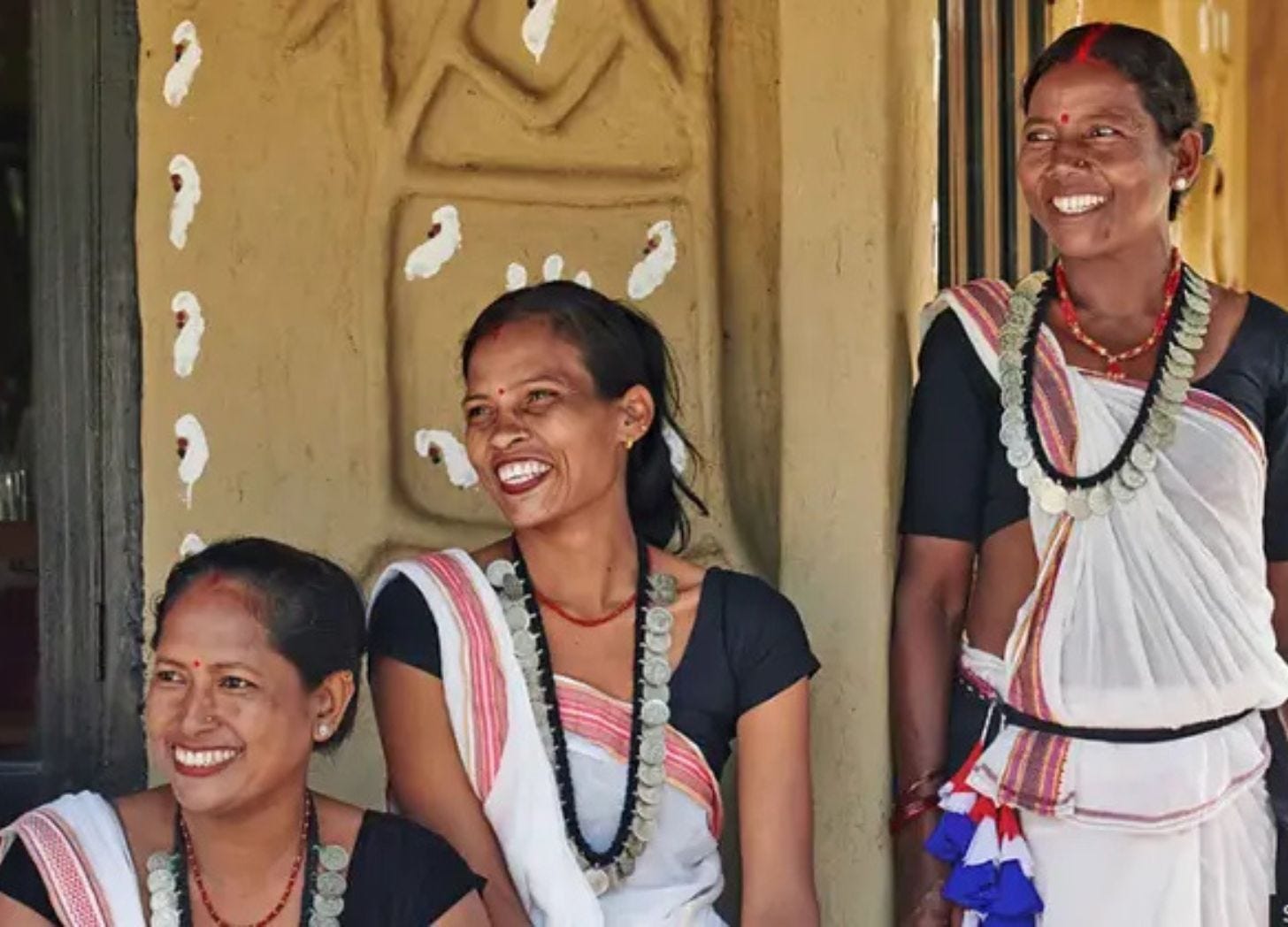
In Nepal, community-run homestays are a good example of this in practice. Travelers usually know what they’re signing up for. What the stay will be like. What’s included. How they fit into the place. That clarity makes it easier to go beyond the obvious, stay longer, and spend money directly in the community. Like anything, it works best when expectations are well managed and the structure is solid.
When confidence holds, people wander, trust the handwritten menu, and often book a second experience or add an extra night without overthinking it.
When confidence breaks, it’s usually small things. A confusing sign. A business that looked open online but isn’t. Something that doesn’t quite match what was promised. Those moments don’t cause a scene. They just shrink how far people go and where money ends up flowing.
Where destinations actually have muscle
Destinations rarely have full control. But they do have influence over the conditions that shape how people move and decide once they arrive.
That influence usually shows up in small, unglamorous places.
Whether information actually lines up across platforms.
Whether small businesses feel real and easy to choose on the ground.
And whether arrival helps people get their bearings or leaves them guessing.
Visitor centers are part of that, too.
Not as brochure racks, but as places that help people orient themselves, see what’s nearby, and figure out what feels worth trying.
Case examples and sector work keep pointing to the same thing: when those spaces do that job well, visitors move differently through a place.
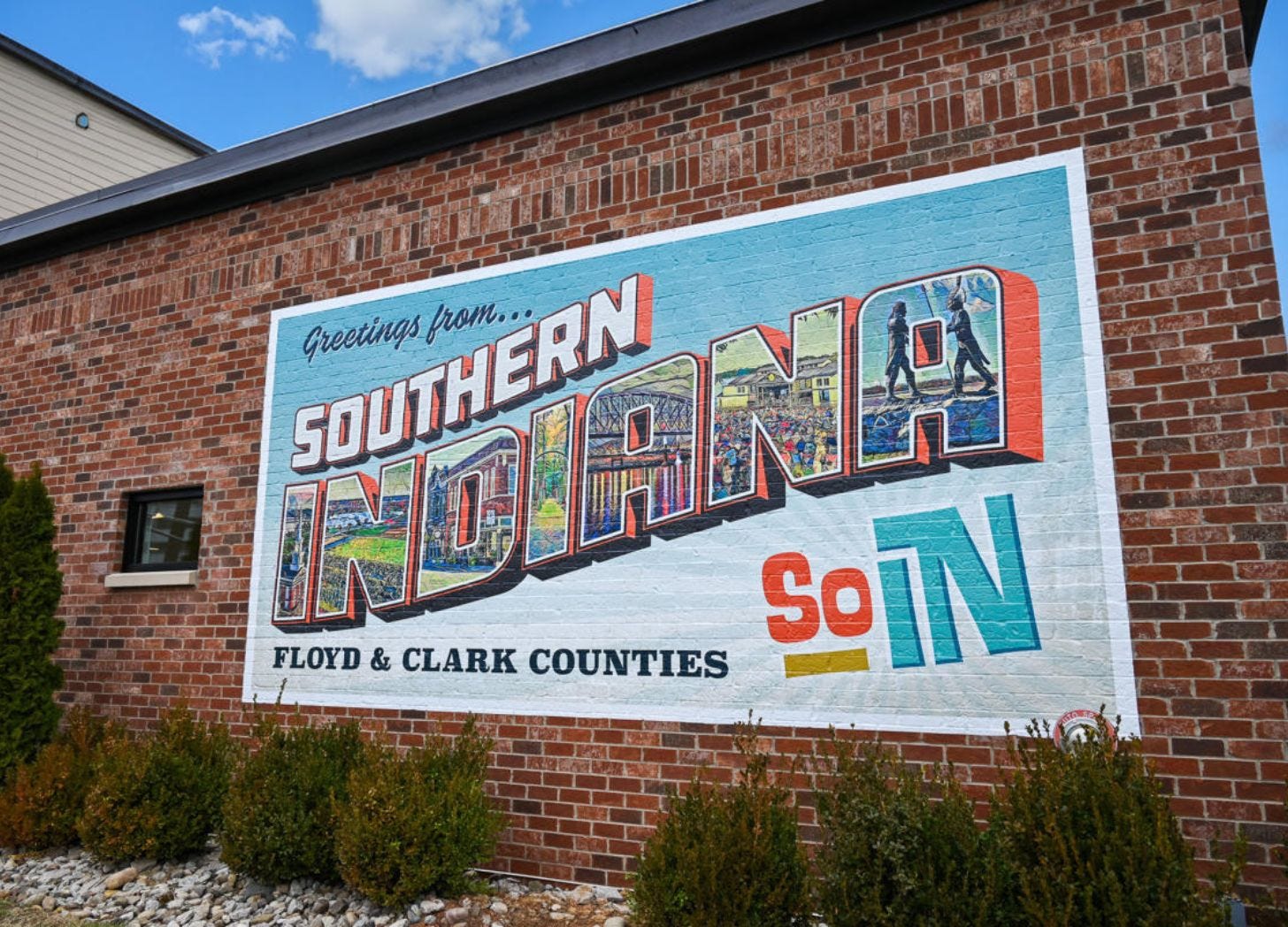
Southern Indiana is a good example. When the visitor center stopped acting like a brochure rack and started feeling more like a shared community space, people stayed longer, wandered more, found local businesses without being pushed, and moved through the area with less hesitation.
You see versions of this in a handful of places. Instead of promoting harder, they put more energy into helping local businesses be ready and easy to choose once visitors arrive.
When visitor centers feel like places to get your bearings, people linger and spend locally. Small operators that are easier to understand and trust give visitors more confidence. And tracking resident sentiment alongside visitor data helps tough calls surface earlier, before they turn into bigger problems.
None of this requires owning the experience. It’s about reducing drag where decisions are actually made.
What success actually looks like
Success isn’t just volume.
It looks more like visitors who feel comfortable once they arrive. They move through the place with less effort, explore beyond the first block, spread their spending across more businesses, and make better decisions on day two than they did on day one.
Over time, case examples suggest that kind of behavior can soften seasonality.
That version of success is quieter.
It’s also more durable.
A few places to look next
Not a checklist. More something to sit with.
Where do visitors hesitate once they arrive?
Which local businesses never even get looked at, and why?
Where does misaligned information quietly push people to play it safe?
Where are you trying to control outcomes instead of shaping the conditions around them?
These questions don’t need quick answers. They’re useful because they help you see where you actually have muscle.
Here’s the reality
Destinations aren’t failing at marketing.
They’re being asked to solve deeper problems with promotional tools.
When tourism really works for a place, it’s not because the story was louder. It’s because people felt confident once they arrived, and that confidence shaped how they moved and spent.
That doesn’t take reinvention. It takes things lining up. And when they do, value starts moving through the place differently.