

Destination Sunday: Why Repeat Visitors Matter
Why the places that last are built for people who return

We Keep Measuring the Easy Stuff
Most destinations are built around being recommended.
We track how many people saw the ad, clicked, and booked a room, and when numbers dip, we spend more to bring in new people. That makes sense. It’s easier to count arrivals and bookings than it is to explain loyalty.
But the places that actually last are not always the ones getting the most attention. They’re the ones people choose to return to, again and again.
Going back isn’t the same decision as trying a place for the first time.
When someone is heading back for a second or third visit, they’re not scrolling through “Top 10” lists. They type the name straight into Google, check if their favorite restaurant is still open, look at where they stayed last time, and text a friend to see if they want to go back. At that point, they’re not comparing options or responding to a campaign because they already know what they want.
That kind of decision doesn’t show up in ad reports or even occupancy reports, which is why it’s so easy to overlook.
Repeat Visits Fall Through the Cracks
Here’s the catch.
In most towns, the person who comes back doesn’t really belong to anyone. They don’t fit neatly into a box.
Marketing is trying to get more eyeballs. Partnerships are juggling platforms and distribution. Hoteliers and hosts are just trying to keep rooms and tables full. And somewhere in the middle of all that is the guest who liked the place enough to return.
That guest doesn’t get ignored on purpose. It just isn’t clearly anyone’s job to grow that number. We assume they’ll come once, have a good time, and move on.
That’s the mistake. And it’s an expensive one.
So we default to what we can measure. We spend money to find new people because that’s what shows up on the dashboard. Over time, we get very efficient at replacing first-time visitors instead of building on the ones who already trust us.
That’s not momentum. That’s churn.
If that number isn’t visible, the answer is usually more marketing. That’s not because towns don’t care about loyalty. It’s because loyalty is harder to measure and harder to defend in a board meeting.
The most profitable booking is usually the one from a guest who has already stayed. Ignore that, and the cost starts creeping up in ways you don’t immediately see.
Here’s Where the Math Kicks In
It costs more to convince a stranger than it does to welcome someone back.
When someone returns, you’re not starting from zero. They already trust the place and understand how it works. They have a memory attached, which means your marketing does not have to work as hard and your message does not have to reintroduce the basics all over again.
When people come back, you’re not rebuilding demand from zero every season. Planning feels less volatile, and word of mouth carries more weight because it’s grounded in lived experience.
And yet most places can tell you exactly how many people arrived last year, but hesitate when you ask how many of them had been there before.
Over time, you end up paying to replace people who already liked you, and the town starts needing constant promotion just to stay upright. It looks like growth on paper, but it’s really being held up by spending instead of people choosing to come back.
If you’re not tracking who comes back, whether you run a destination, a hotel, or a vacation rental, you’re probably paying to replace people who would have come back anyway.
Why Some Places Are Easy to Return To
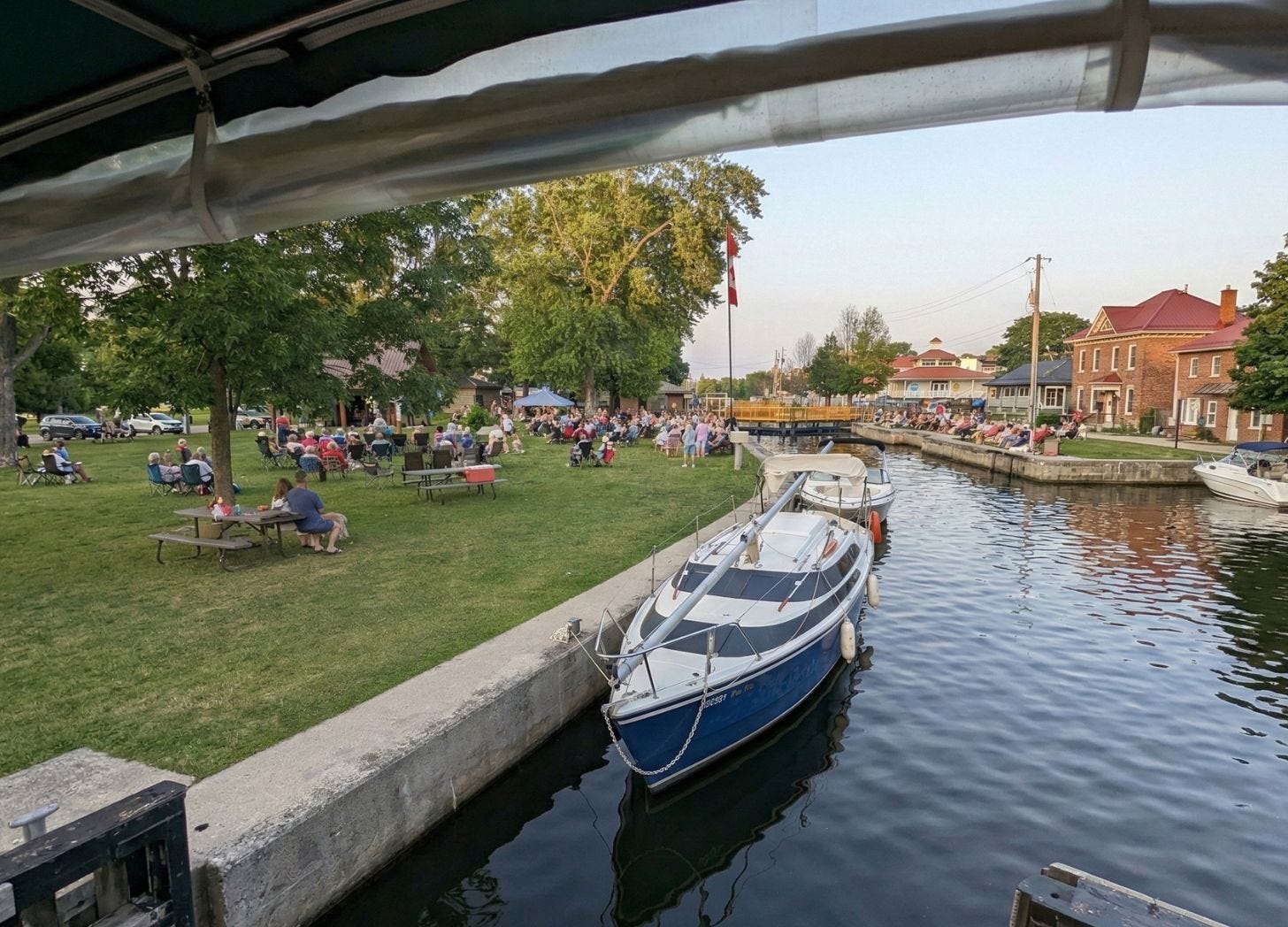
You don’t earn return visits by pushing volume. You earn them by keeping the promise people experienced the first time.
People come back when what they loved is still there. The shuttle runs when it says it will, the hours are accurate, and the experience still works the way they remember it.
The second visit feels easier because they already know the rhythm of the place.
There are smaller signals too, like a street that feels familiar, a breakfast table you recognize, or a staff member who remembers you without making it awkward. It’s not dramatic, but it’s what makes coming back feel easy.
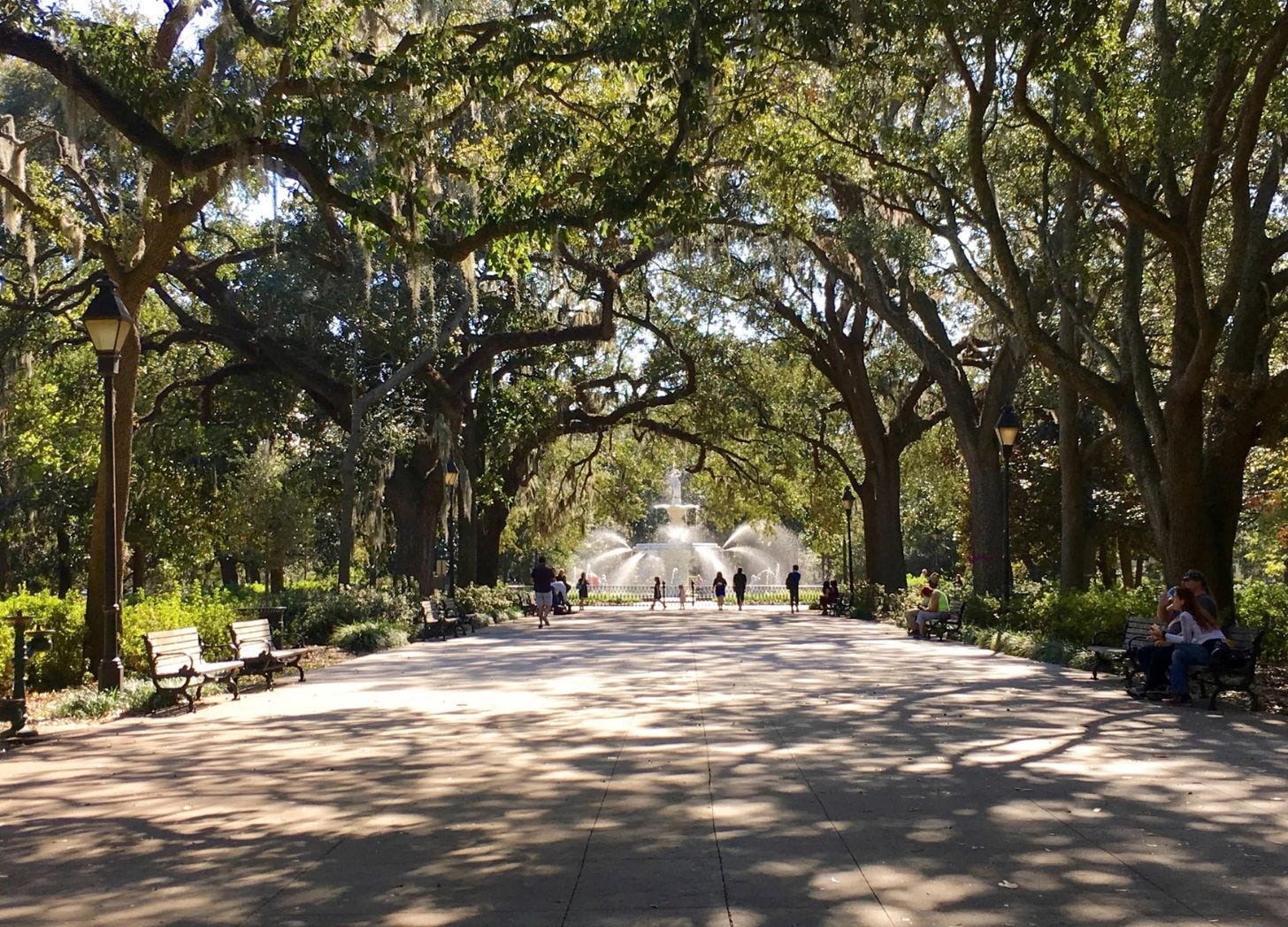
You can see this at scale in places that protected what made them distinctive instead of reshaping everything to attract the next wave. Savannah didn’t invent walkability for a campaign. It kept the structure that already made the area easy to move through and easy to live in, and people return because that foundation is still there.
When discovery becomes the only goal, the pressure shifts. Cities and towns start optimizing for turnover, filling the calendar with events and promotions because busy is easier to measure than loyalty. Over time the place can start to feel less like itself and more like something built to handle volume.
Growth matters, and so do jobs and occupancy. But when arrivals are the only number driving decisions, we slowly design for turnover instead of return.
What Happens When You Track Return
If you want to see whether this applies to your town or destination, start by asking a few simple questions.
How many of last year’s visitors had been there before?
Do you track that consistently with your lodging partners?
And who is actually responsible for increasing that number over time, not just watching it but moving it?
You do not need a new slogan. You need another number sitting next to arrivals in the same report, and someone who wakes up thinking about how to improve it.
Start simple. Ask your lodging partners to track how many check-ins are returning guests. That alone changes the conversation.
Because when repeat guests are invisible, spending to attract new people becomes the default response to every slowdown. Over time, you end up replacing people who already trusted you, and that isn’t growth. It’s a loop.
The places that last aren’t the ones that win the recommendation game every quarter. They’re the ones people think about when planning a trip and realize they don’t need to be convinced again.
Repeat visitors don’t come from pricing or promotions alone. They come from coordination. Visitors can feel when a place works together, when businesses know what’s happening, when locals aren’t resentful, and when the experience works without explanation.
That piece, how a town actually operates behind the scenes, is a bigger conversation. I wrote more about that here.
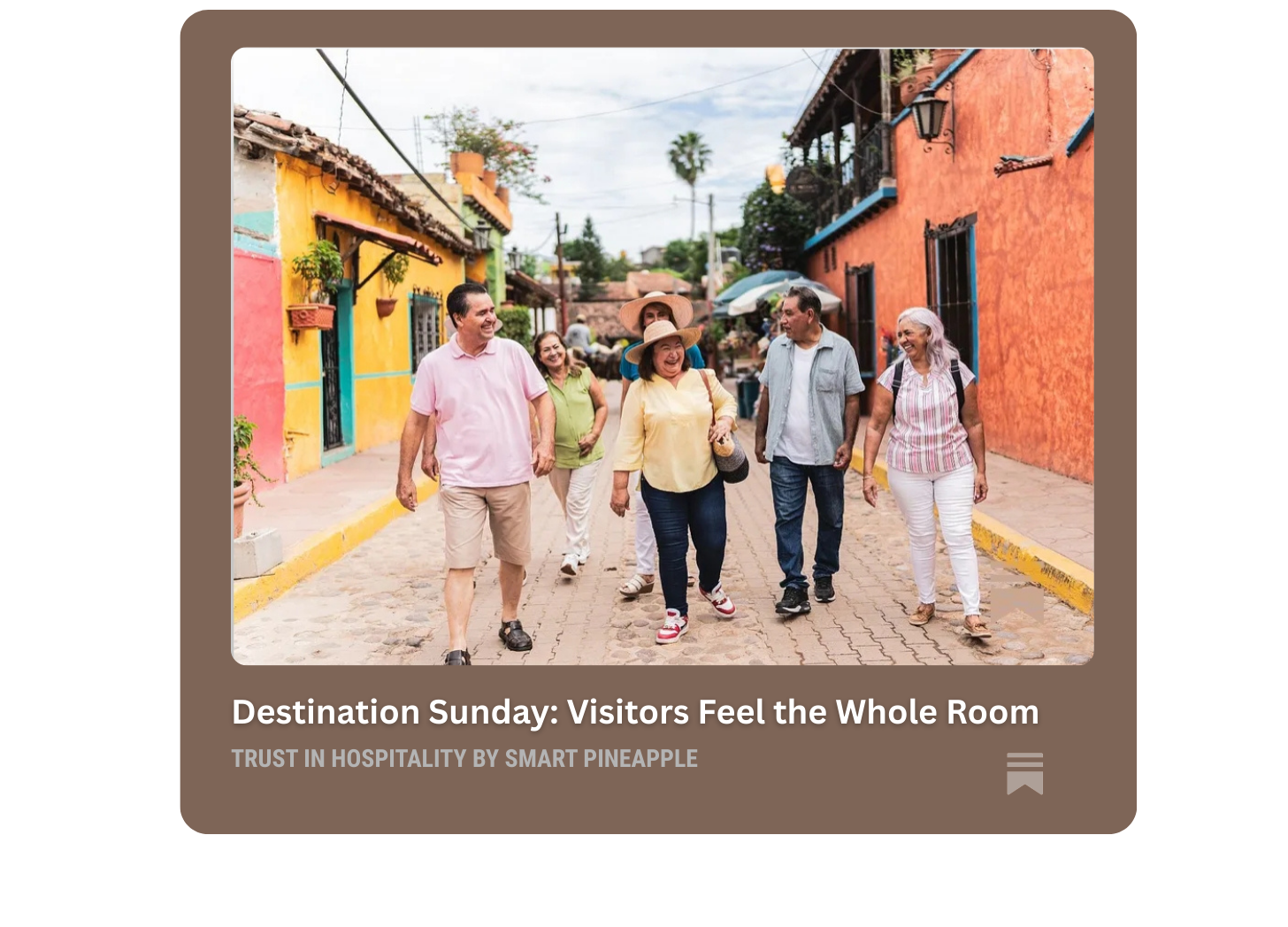
Having guests return is such a boon, a feel good moment. It means somehow you're doing something right!
We measure acquisition because it’s easy. Covers, clicks, bookings.
But the highest-margin guest is the one who comes back.
If you don’t know what % of last month’s covers were repeat, you’re likely paying to replace people who already trusted you.
That’s not growth. That’s churn.