

Maybe Tourists Aren’t the Problem
What Greenland Taught Me About How Places Shape Behavior

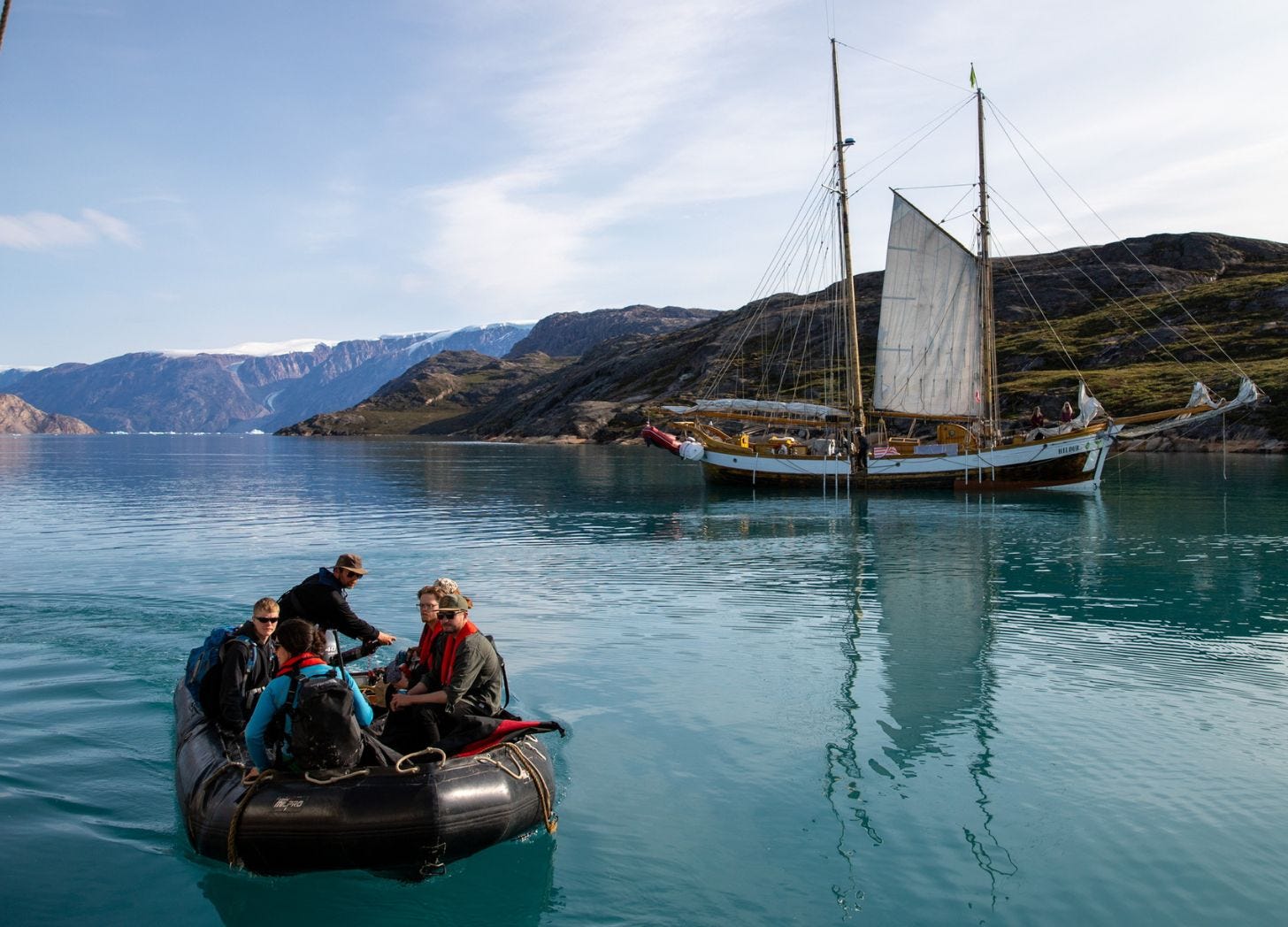
An inflatable carried us from the schooner to shore in a remote part of Greenland. We were heading for a hike toward the glacier. The landscape was covered in thick moss and small Arctic flowers growing from the rock itself.
Before anyone began walking, our guide stopped the group and pointed toward the ground beneath our feet. Some of the moss we were looking at, she explained, can take decades to recover once it is damaged. When possible, step on the rock rather than the moss.
Another day in the small village of Ittoqqortoormiit, a pair of sled dog puppies tumbled over each other in the dirt. Cameras came out and a couple of people instinctively moved closer.
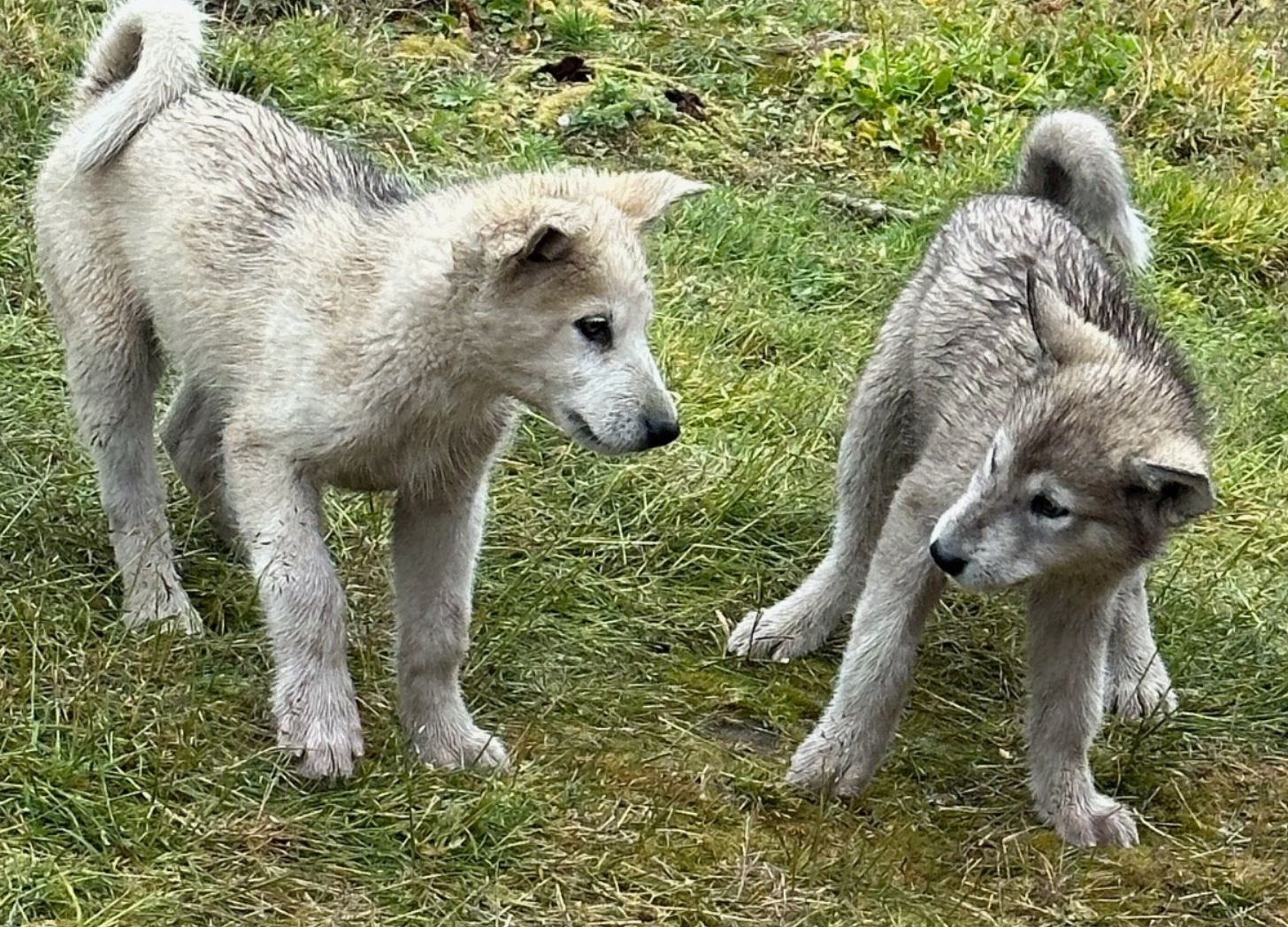
The guide stopped us again.
These are working dogs, she explained. If we touched them, the locals might have to put them down.
After that people stepped carefully across the rock rather than the moss, and the puppies were admired from a respectful distance.
Visitors respect the rules of a place once they understand what the place protects.
The Reality of How Visitors Arrive
Greenland works in part because the experience is guided. Someone designed the moment where visitors learn how the place works before they move through it.
Most destinations do not operate that way.
Visitors arrive from many directions. They come through a highway exit, a trailhead pinned on social media, a short-term rental tucked into a neighborhood, or a café. Places where no one pauses to explain how the place works.
No single organization controls the visitor experience. The place itself still teaches visitors how it works. Sometimes the lesson is intentional. Other times it is accidental.
The Industry’s Favorite Explanation: Bad Tourists
When visitor behavior becomes a problem, the conversation usually turns toward the visitors themselves.
Tourists are rude.
Tourists are entitled.
Tourists are the problem.
We hear the same explanations every season. Travelers who do not understand the place. Visitors who fail to respect fragile landscapes or local culture.
Destinations respond with what they can control most easily. Rules. Visitor fees. Warning signs. More enforcement.
The moment on that Greenland hike showed something different.
Why a Sign Is Easier
Explaining a place takes effort.
A sign is easier.
Most places involve land managers, business owners, tourism offices, chambers of commerce, and local governments that rarely sit at the same table. When that happens, a sign goes up instead of anyone just explaining how the place works.
Where Behavior Changes
When visitors are shown how a place works, something different happens.
Visitors do not arrive understanding a place. They learn it on site, or they guess. Sometimes a guide or host explains what the landscape or community protects.
Infrastructure teaches as well. Paths show where to walk and where fragile ground should be avoided. Garbage cans placed where people naturally stop prevent littering.
Culture teaches too. Visitors watch how locals move through markets, harbors, temples, or town squares and begin doing the same.
Visitors quickly notice how locals dress and behave in public spaces and adjust accordingly.
A Place That Teaches the Rules

At Antelope Canyon in Arizona, visitors walk through the narrow sandstone canyon on guided paths with carefully planned stops.
Visitors stop where the guides stop. They photograph the formations from the same spots and move through the canyon at the same pace. The structure protects the canyon and keeps people safe.
The structure of the visit shapes people’s behavior long before enforcement becomes necessary.
You can see smaller versions of this approach elsewhere. In the Faroe Islands, residents periodically close fragile landscapes for restoration and explain why. Visitors usually cooperate once they understand what the place protects.
What Happens When Visitors Have to Guess
When no one explains how the place works, visitors improvise. People step off trails for photographs, wander into sensitive areas without realizing it, or walk into places the community protects.
Over time, the costs add up. Fragile landscapes are damaged. Residents lose patience with visitors. Staff spend their time correcting the same mistakes instead of welcoming people. Trust between visitors and the community begins to erode.
Locals grow frustrated, and staff or guides correct the same mistakes over and over. More signs appear, and more rules follow. Yet earlier no one explained how the place works.
The same pattern appears in destinations everywhere. Once you start looking for it.
People respect the rules once they understand what the place protects.
Where Do Visitors First Learn the Place?
Start with one exercise.
Walk the first hour of a visit.
Notice where visitors first learn what matters. Where do they learn what the place protects and how it works? Where do they watch how locals behave?
Then look closely at the moments when visitors guess.
Also consider the complaints you hear from residents. Those frustrations often reveal where visitors were never oriented to the place.
In some places, a DMO notices this. In others, it is a chamber of commerce, a land or property manager, or a few operators comparing notes. Who starts does not matter.
Someone simply needs to notice where visitors guess. Those moments often lead to the problems that appear later.
Where Do Visitors First Learn Your Place?
Think back to the hike in Greenland. The guide explained why the moss mattered and why the sled dogs were there to work.
There were no fences and no enforcement. Once people understood the place, their behavior changed.
Most places do not have guides at every trailhead or street corner. The question still stands.
Where do visitors first understand your place?
Most behavior problems do not start with visitors.
They start where no one explains what the place protects.
When people understand what a place protects, they rarely need to be told how to behave.
Hospitality has always worked both ways. Guests have expectations of the host or the place, and the place has expectations of its guests. That understanding has faded as some destinations are treated more like entertainment than places with their own way of life.
Continue Reading
If this made you think about where visitors first understand your place, you might also enjoy:
The Places That Feel Like They Were Expecting You
Why the first fifteen minutes of arrival quietly shape visitor trust.