

Destination Sunday: The Places That Feel Like They Were Expecting You
This is already costing you. It just doesn’t look like a cost.

Every week, guests lose confidence in your destination before anyone has a chance to help them.
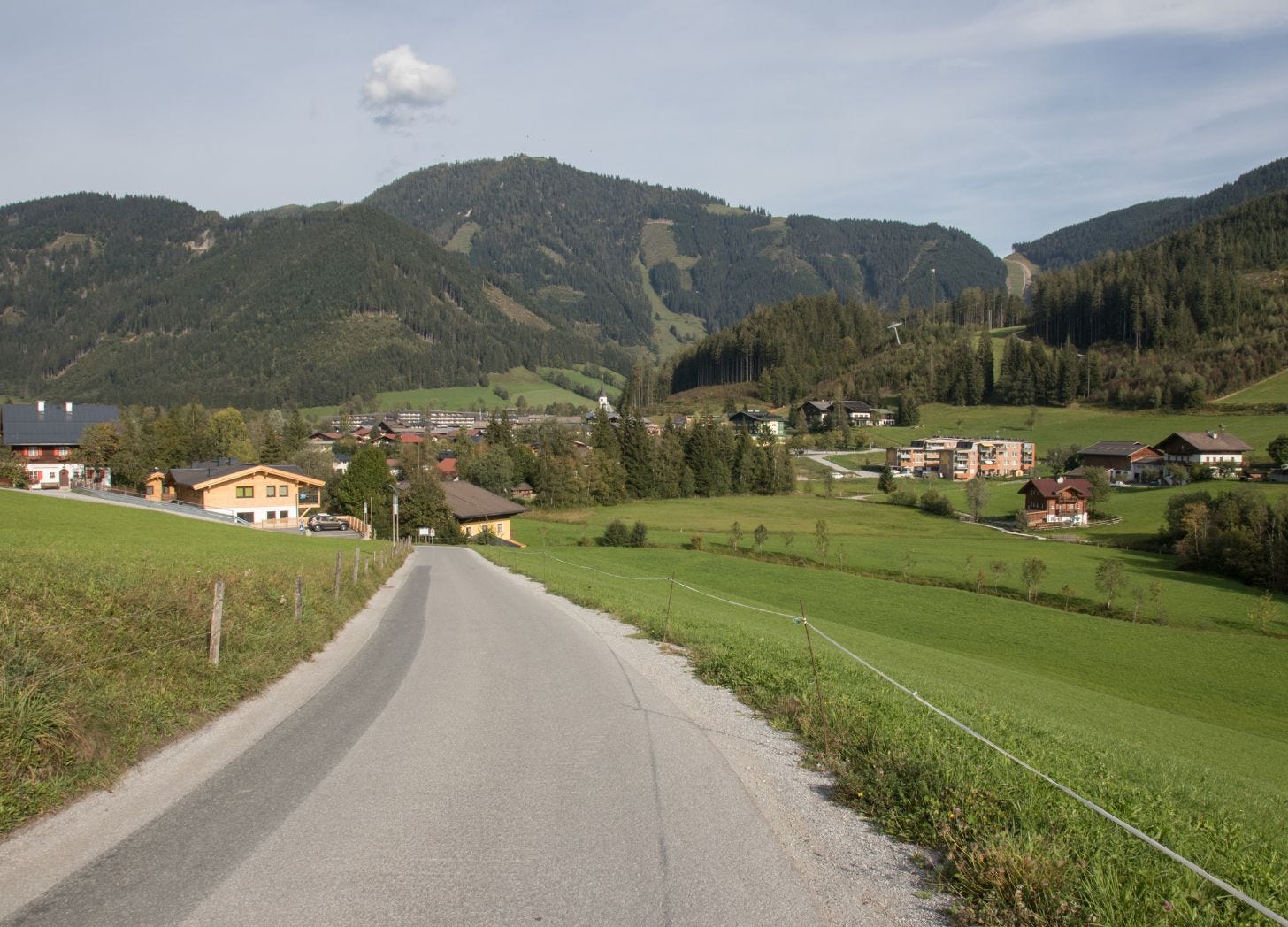
Visitors arrive disoriented. They spend the first hour figuring out what’s actually open. They ask area businesses questions that the destination should have answered. They leave without finding what would have made them stay, or return.
None of this shows up in your campaign metrics. But your operators feel it. Your frontline staff absorb it. And your repeat visitation numbers quietly reflect it.
The cost is real. It just doesn’t land where anyone’s measuring it.
What It Feels Like When A Place Is Ready
You pull into a coastal town you’ve never visited. Late afternoon, shoulder season. The light’s going gold over the harbour, salt and woodsmoke in the air. You’re tired. You haven’t eaten since breakfast. And you have no idea where anything is.
But the first thing you see when you step out of the car is a hand-painted sign at the edge of the lot. Not a billboard. Not a QR code. Just clear directions: town centre this way, public toilets there, the bakery closes at five but the pub kitchen opens at six.
No one asked you to scan anything. No one tried to sell you a tour. The sign answered the questions you hadn’t asked yet.
By the time you reach the pub, you’ve already decided you like this place.
That decision happened before anyone said a word to you.
The destination was “ready”. And you felt it.
The Problem No One Budgets For
Most destinations are built to generate awareness. The campaigns run, the beds fill, the restaurants get busy. Success.
But awareness isn’t the same as “welcome”. And marketing a destination isn’t the same as preparing for the people who actually arrive.
What’s Actually Happening
Visitors show up with expectations shaped by your website, your social content, your partner listings. When reality doesn’t match, when the hours are wrong, the attraction is closed, the parking situation is nothing like what they read, that frustration doesn’t disappear. It lands somewhere.
It gets absorbed. By someone.
That info gap gets pushed downstream, onto the staff and margins of local businesses.
A trust problem with a very specific cost:
fewer repeat visits
more OTA dependence
more staff burnout
All of it invisible in your quarterly report.
How Trust Forms (and where it breaks)
Trust doesn’t start at the front desk. It starts in the parking lot. At the trailhead. In front of the closed restaurant with no sign explaining why.
When things are clear, guests relax. When they relax, the trip sticks. And weeks later, that’s what they miss, the ease of it. That missing feeling is what pulls people back.
When someone arrives at a place that was expecting them, they don’t have to figure anything out. They can just be there. That ease sticks. It becomes the story they tell.
When someone arrives at a place that wasn’t ready, where the signage contradicts the website, where no one seems sure what’s open, visitors spend their energy orienting instead of enjoying. That irritation sticks, too. They leave, saying the trip was “fine.” They don’t come back.
What does this mean Monday morning? Every out-of-date listing, every inconsistent hour, every unanswered arrival question is a small withdrawal from a trust account you can’t see, but your area businesses can feel.
The Bind You Are In
Here’s the part no one says out loud: most DMOs were built to market, not to coordinate.
You don’t control hours. You don’t control staffing. You don’t control signage, municipal infrastructure, or what private operators decide to do on a Tuesday. You’re funded to drive awareness, measured on hotel room nights, and evaluated by stakeholders who want more visibility, not fewer surprises at the trailhead.
And yes, members want visibility, whether they’re ready or not. That’s real pressure. But promoting what isn’t ready doesn’t make them ready. It just moves the disappointment downstream.
So when someone suggests “readiness,” the honest response is: “With what authority? With what budget? With what mandate?”
That’s a real bind. And this piece isn’t pretending you can dissolve it by thinking differently.
But here’s what’s also true: the visitor experience doesn’t care about your org chart. Guests don’t know the difference between “the DMO” and “the destination.” When arrival goes poorly, it all blurs into one feeling: this place wasn’t ready for me.
You may not control coordination. But you’re already paying for the lack of it, just through channels that don’t show up in your metrics.
What it looks like in practice
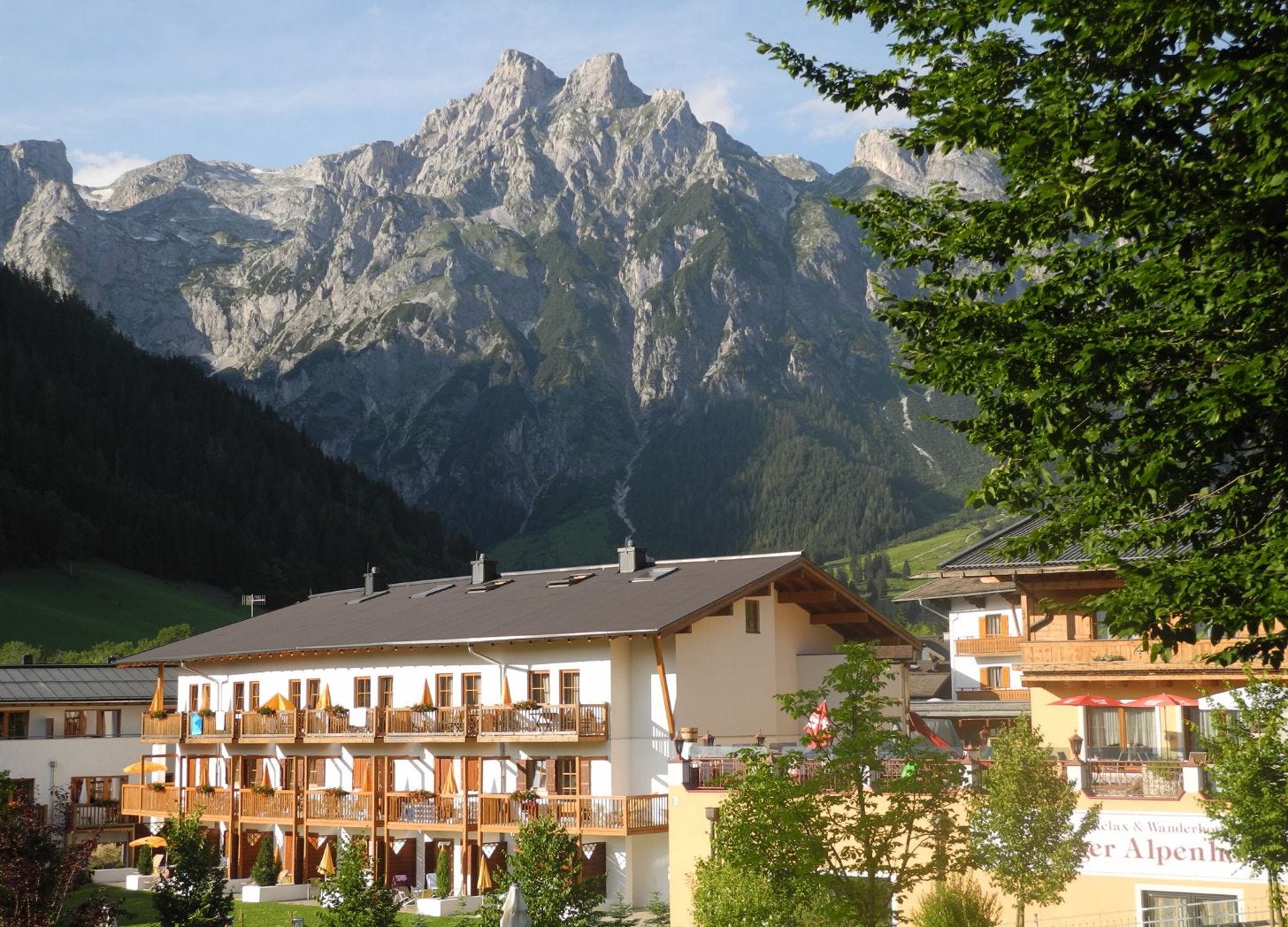
In 1994, a 900-person Alpine village near Salzburg made a decision.
Werfenweng was losing to bigger ski resorts. They couldn’t compete on scale or amenities. They were watching visitors drive past to somewhere shinier. They knew they had to do something different or disappear.
So instead of marketing harder, they chose a constraint: soft mobility. Car-free holidays. Arrival without issue.
They built every touchpoint around that decision. Guests who arrive by train, or who agree to park their car for at least four days, receive a mobility card. It includes free shuttles from the train station, electric vehicles, e-bikes, and even horse-drawn carriages.
The system answers every arrival question before the guest thinks to ask.
The result: visitor numbers increased by over 35 percent. Not because they marketed harder, but because the experience matched the promise.
This works because expectations are shaped before arrival. Not because it’s charming.
Someone, somewhere, decided what this destination was for. And made sure the first fifteen minutes reflected it.
That’s not control. That’s alignment. A shared understanding of what gets promoted and what visitors can actually expect.
You don’t need a new department. You don’t need a new budget. You need a different filter for deciding what gets marketed before it’s ready.
What This Doesn’t Require
This doesn’t mean saying no to every member who wants visibility. It doesn’t mean perfect coordination across every touchpoint. And it doesn’t mean waiting until everything is ready before you promote anything.
It means asking one question before something goes out: “If a guest shows up expecting this, will the experience match?” When the answer is no, that’s not a reason to block—it’s a reason to flag, to prepare, to align. The goal isn’t control. It’s reducing the gap between what you promise and what actually happens.
Alignment doesn’t require unanimity. It requires shared minimums.
This works best when destinations are willing to disappoint the wrong guests to serve the right ones.
What Happens When You Don’t
When readiness stays someone else’s problem, the pattern repeats:
More campaigns. More visitors. More operators absorbing the friction of arrival. The marketing gets louder. The experience stays uneven. And the guests who could have become regulars drift away without saying why.
Meanwhile, your best operators burn out. Not just running their business, but correcting misinformation they didn’t create, explaining closures no one told them about, apologising for a destination that promised something it couldn’t deliver.
That’s the bill. And it comes due in churn, in complaints, in the slow erosion of the trust that makes a destination worth returning to.
The Questions That Matter This Week
You don’t need to fix everything. You need to see it.
What does someone actually experience in the first fifteen minutes after they arrive? Not what you hope. What happens.
Where are the gaps between what you’re promoting. What’s actually true this week?
Who is currently absorbing the cost of those gaps, and how long have you let them carry it?
The Bottom Line
The places people remember weren’t trying to impress them. They were ready for them.
It’s a choice about what gets promoted before it’s coordinated. And who pays when it isn’t.
Right now, that cost is landing on your area businesses. On their staff. On their margins. On repeat visits that never happen.
The question isn’t whether you have the authority to fix this. It’s whether you’re willing to change what you reward. And what you’re willing to stop promoting until it’s ready.
For This Week
Paste this into a meeting agenda or share it with your team.
Map the first fifteen minutes of a visitor’s arrival in your destination.
What questions do they have before anyone speaks to them?
Where do they go for answers, and is that information current this week?
At what point do they stop orienting and start enjoying?
Where do confusion or friction usually show up?
Who absorbs the cost when this breaks, and have you talked to them about it?
Then ask:
What is one small thing we could change this week that would make those first fifteen minutes easier?
For Monday
Destinations shape arrival. Operators shape what happens next. Monday’s piece will look at the small signals guests notice before anyone’s said a word. And the moments where trust either builds or disappears.
How do you feel technology plays into this? Being able to make selections pre-arrival is huge for me.