

Destination Sunday: The Hardest Part of a Trip Is Usually the Part Nobody Owns
A destination isn’t remembered for perfect moments. It’s remembered for how the whole thing held together.

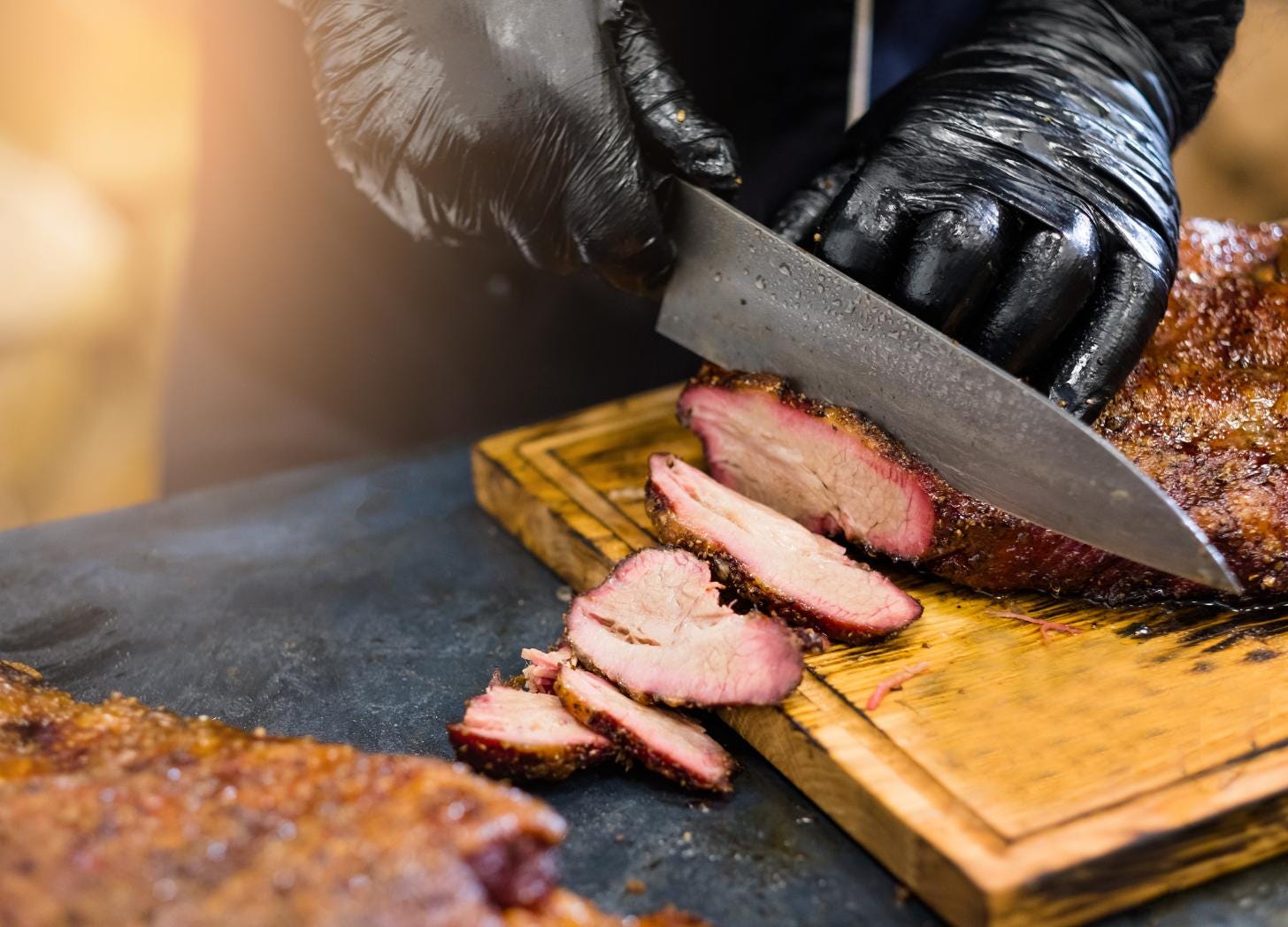
A hotel front desk agent in Kansas City’s Crossroads District fields the same question for the fourth time this hour: how do I get to the stadium? Outside, slow-smoked brisket and the sound of a dozen languages. It’s a Tuesday evening in late June, and the World Cup has turned a barbecue neighborhood into an international block party overnight.
The transit authority published a route map, but it doesn’t match what the FIFA app shows, and neither matches the directions a visitor assembled from ChatGPT that morning. Three organizations. Three different answers. Nobody wrong. The visitor still felt lost.
The parts of a trip that confuse visitors usually aren’t anyone’s job.
You’ve seen this in your own destination. The guest who booked based on a campaign that promised “walkable and vibrant,” then arrived to find the entertainment district closed on Mondays and the shuttle running on weekend hours. The hotel manager who apologizes six times a day for something they didn’t do, didn’t promise, and can’t fix. I’ve watched this play out more times than I can count. The apology isn’t for the property. The apology is never for the property. It's for everything around it that didn't show up the way the guest expected. The chamber director staring at a Google listing for the town that hasn’t been updated since 2019.
It’s not carelessness.
Coordination just isn’t in anyone’s job description.
The tourism board tracks reach. The city tracks permits. Hotels track occupancy. The chamber counts members. Nobody tracks the confusion.
The silence when a guest asks about a festival you just learned about from them.
The part that makes it expensive
Today’s visitor assembles a version of your destination before they arrive, from Google, Reddit, AI chatbots, or a group thread where someone’s cousin went last year. When the assembled version doesn’t match what visitors find on the ground, the gap shows up as a feeling: this place is harder than it should be, and nobody can tell you why.
Repeat visits stay flat. Word-of-mouth never forms. Campaigns get people curious, but bookings stall somewhere between “that looks great” and “I’ll book,” and then it never happens.
You end up paying for the same guest twice: once to attract them, again to replace them when they don’t come back. Not because they had a bad time, but because nothing about the stay created the absence that pulls someone back to a place. Bain’s research on retention puts a number on this: even a small lift in return visits compounds faster than any campaign.
A visitor in Onomichi, Japan follows a hillside temple trail and a local guide redirects them toward a lesser-known route with a view of the Inland Sea. The salt air, the surprise of the view, the feeling of being led somewhere worth going. That visit stays with you. Weeks later, the visitor misses that place and can’t say why.
In any destination where a visitor spends 20 minutes searching for parking the website called “convenient,” what sticks is the searching. Nothing worth remembering. Nothing pulling them back. Just a stay that fades by the time they unpack at home.
When a visit makes sense, it becomes a memory. When it becomes a memory, it pulls people back.
The person who ends up eating that cost is almost never the one who caused the gap in the first place. If you run a small hotel or a tour company, you know this in your bones. You’ve spent your own time printing directions the city should provide, explaining things the tourism board never communicated. Staying late to answer questions that aren’t about your property at all. Walking back promises a booking platform made without asking you.
You are already the informal coordinator. The question is whether anyone else in your destination knows you're doing it, and whether they ever show up to help.
What it looks like when a destination actually coordinates
The World Cup starting June 11 will make this impossible to miss. Sixteen cities, tens of millions of visitors, and in every one, the people shaping the trip never sit in the same meeting.
Kansas City’s KC2026 organizing committee launched the KC Game Plan, bringing small businesses, neighborhood councils, transit planners, and city government into the same picture. Check-ups for small businesses. Lending workshops. Vacant storefronts turned into pop-up experiences during the tournament. They’re not asking one person to own everything. They’re making sure everyone can see the same map.
But you don’t need a mega-event to build this.
That temple trail moment didn't happen by accident.
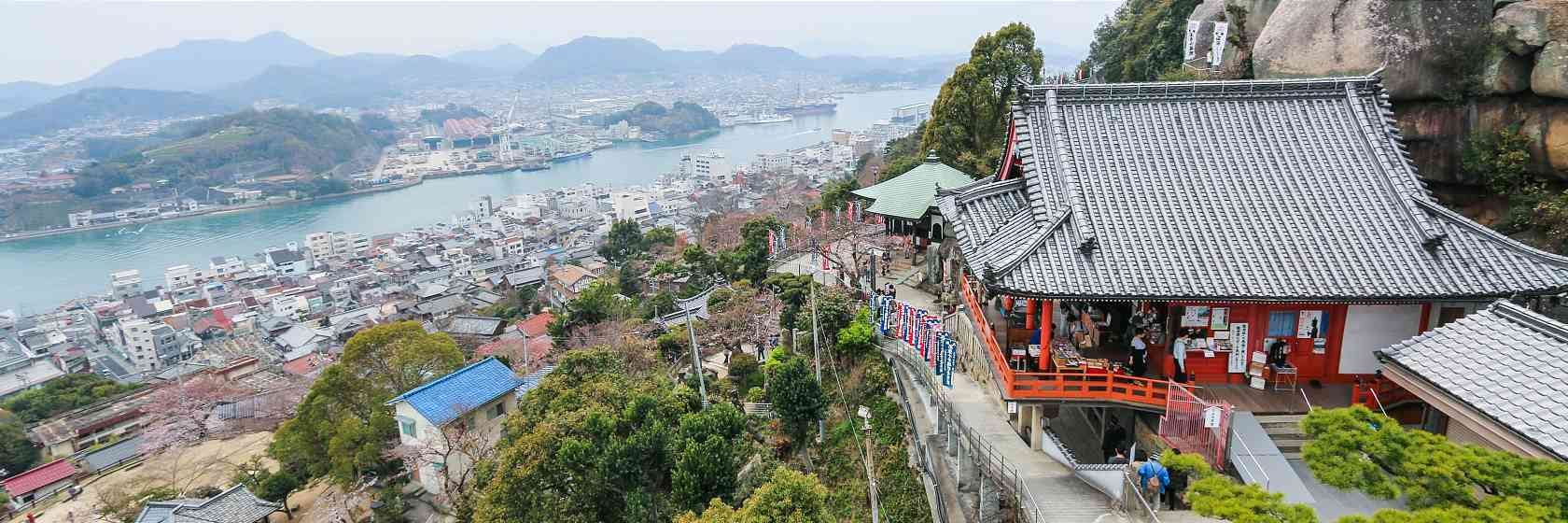
Onomichi is a port town of about 130,000 in Hiroshima Prefecture, Japan. Its waterfront smells of salt air and the pork-fat broth of its signature ramen, simmering in shopfront kitchens along steep hillside lanes. Visitors knew it as the starting point for the Shimanami Kaido cycling route. They passed through without engaging the town.
Then a handful of people decided the town mattered enough to coordinate, not because anyone told them to, but because the alternative was watching visitors pass straight through. They renovated a disused waterfront warehouse into Onomichi U2: a cyclist-friendly hotel, bakery, cafe, bar, and bike shop under one roof. The Onomichi Denim Project connected local fishermen, farmers, and shipbuilders with raw denim, then sold the naturally faded jeans. The wear patterns told you who made them. A guide network trained local residents to lead tours that spread visitors across the town’s 25-temple walking trail instead of piling them up at the two most popular spots.
No grand tourism structure. Just stubbornness and a shared bet.
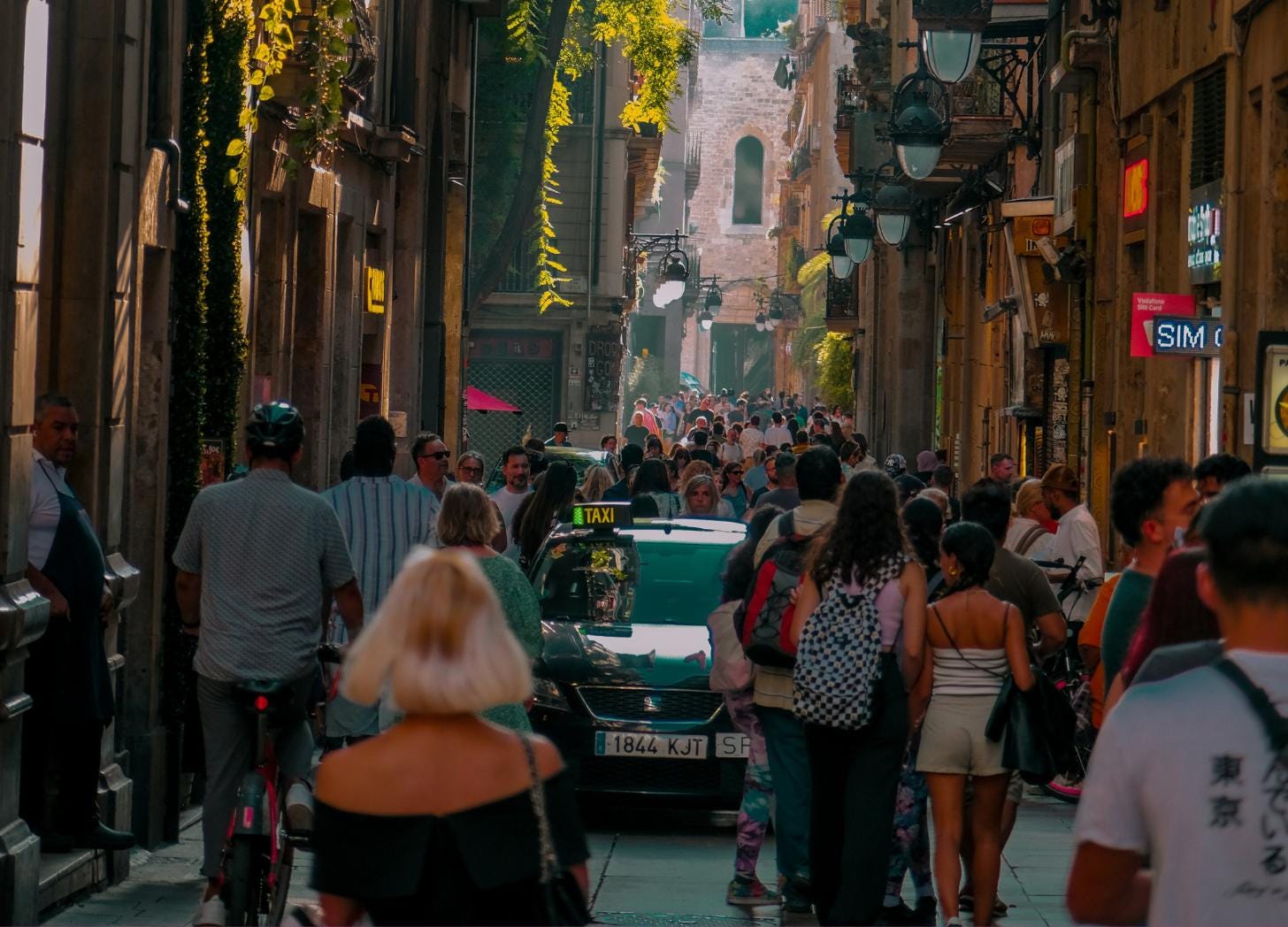
Barcelona sits at the other end of the spectrum. After tourism grew from 1.7 million hotel visitors in 1990 to over 12 million by 2023, the city figured out it had to manage this on purpose. La Rambla in August tells you why: the press of bodies, the scent of churros and diesel and jasmine competing for the same air, rolling suitcases on stone. The city now publishes daily crowd forecasts. When numbers spike, the calendar turns red. Residents adjust their plans. Hotels adjust their staffing. Visitors arrive into a destination that anticipated them instead of reacting to them. Not perfect. Not universally loved. But visible enough that fewer surprises land on the front desk.
The scale is different. The principle is the same: the destination works because the people inside it can see what the people visiting it are about to experience.
Not a program or a budget. A question. Instead of “How do we get more visitors?” the room starts asking “What does a visitor think this place is going to be like before they get here, and does it match what they actually find? It doesn’t need a task force. It just needs a room: the tourism board, the chamber, a couple of hotel owners and tour guides, someone from the city. When those people look at the same picture, it gets harder to pretend the gaps aren’t there.
This week
The destinations I remember most aren’t perfect. They’re the ones that held together.
A destination that just makes sense is what creates the absence that brings people back. That’s not marketing. That’s coordination.
An ask you can bring to your team or use with AI.
“Map the first three decisions a visitor makes after arriving in our destination. For each one: who provides the information? Is it consistent everywhere a visitor looks? Where does the visitor have to guess, and who absorbs the cost when they guess wrong?”
What would change if those three information sources were looking at the same data?
Where is the cheapest, fastest coordination win hiding in those three moments?
What information disappears between what your tourism board publishes and what your front desk actually says?
If you run a hotel, a rental, a tour company, or a restaurant: When your destination’s coordination breaks down, where does it show up first inside your property, and what are you already doing to fill that gap, whether it’s a fix you built or just you and your team are just dealing with every day?
And if you’re already doing coordination work in your destination, I want to hear about it. Reply to this email or leave a comment.
'Even a small lift in return visits compounds faster than any campaign.' On another note it's always such a boon when a hotel mgr or bnb owner gives you an insider's tidbit, and you do remember it as a guest. We were driving in France, south of Dijon, stayed somewhere overnight and in a.m. asked the owner directions to the hwy. She told us to take the road along the river, a little slower, but very pretty. We'll never forget that, it was so impressively French countryside. And obviously, not forgotten. It truly is the little things.