

What Happens When Visitors Don’t Understand the Place They’re Visiting
Field Notes from Greenland

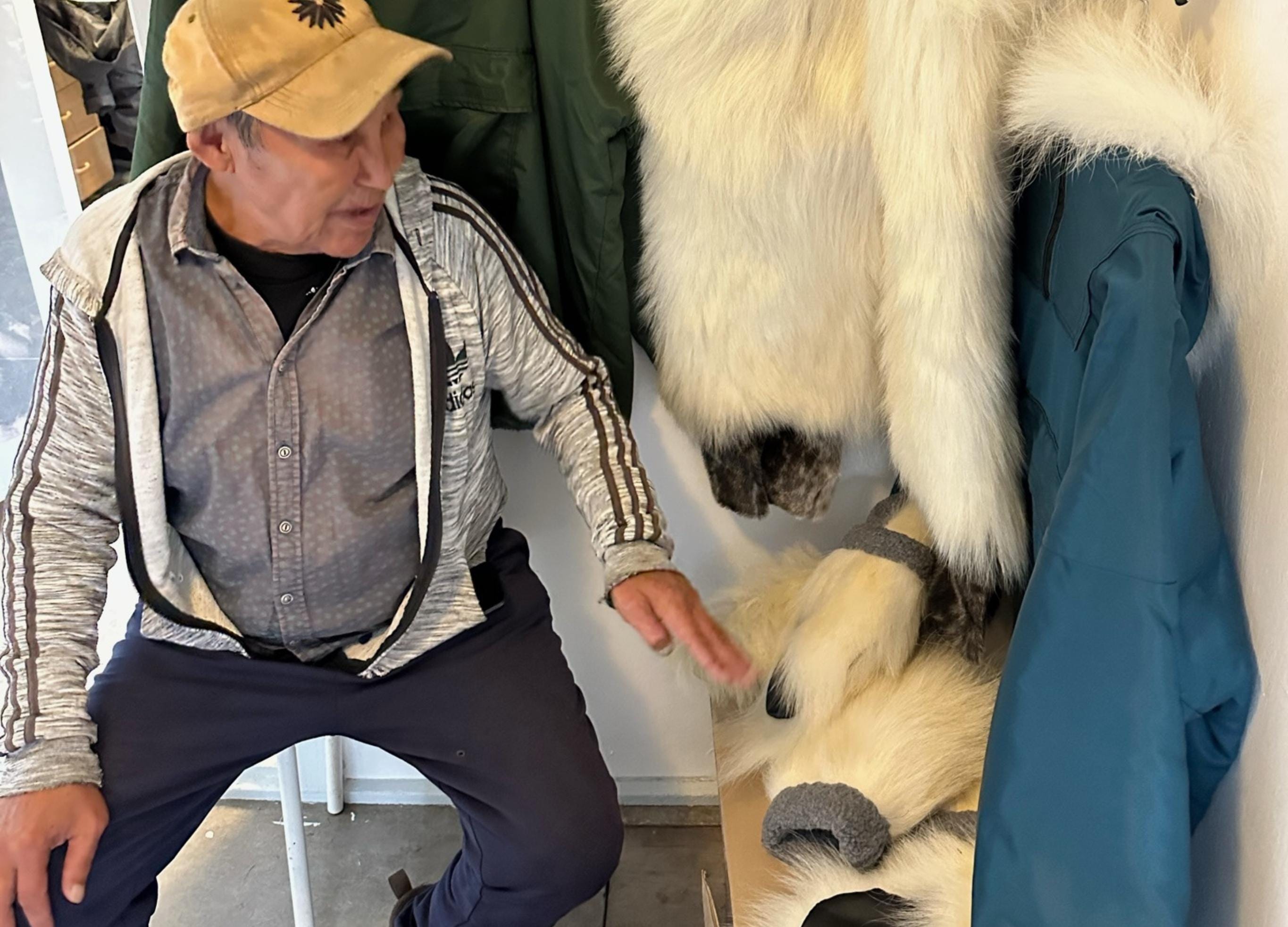
In a remote village in Greenland, polar bear skins hang over porch railings. A small building doubles as passport control and gift shop, selling seal and bear-hide mittens among some postcards. The only grocery store receives deliveries twice a year.
Moments like this attest a problem in tourism. Visitors often arrive before they understand the place they’re visiting.
I did. My mental picture of Greenland came almost entirely from photographs of glaciers, icebergs, an polar bears. Not from understanding how people actually live there.
Many problems with visitor behavior are not attitude problems. They are explanation problems.
Places that welcome visitors often expect respectful behavior from people who arrive without much understanding of how the place works. Greenland shows what can happen when a place takes that void seriously.
Ilulissat and the question of preparation
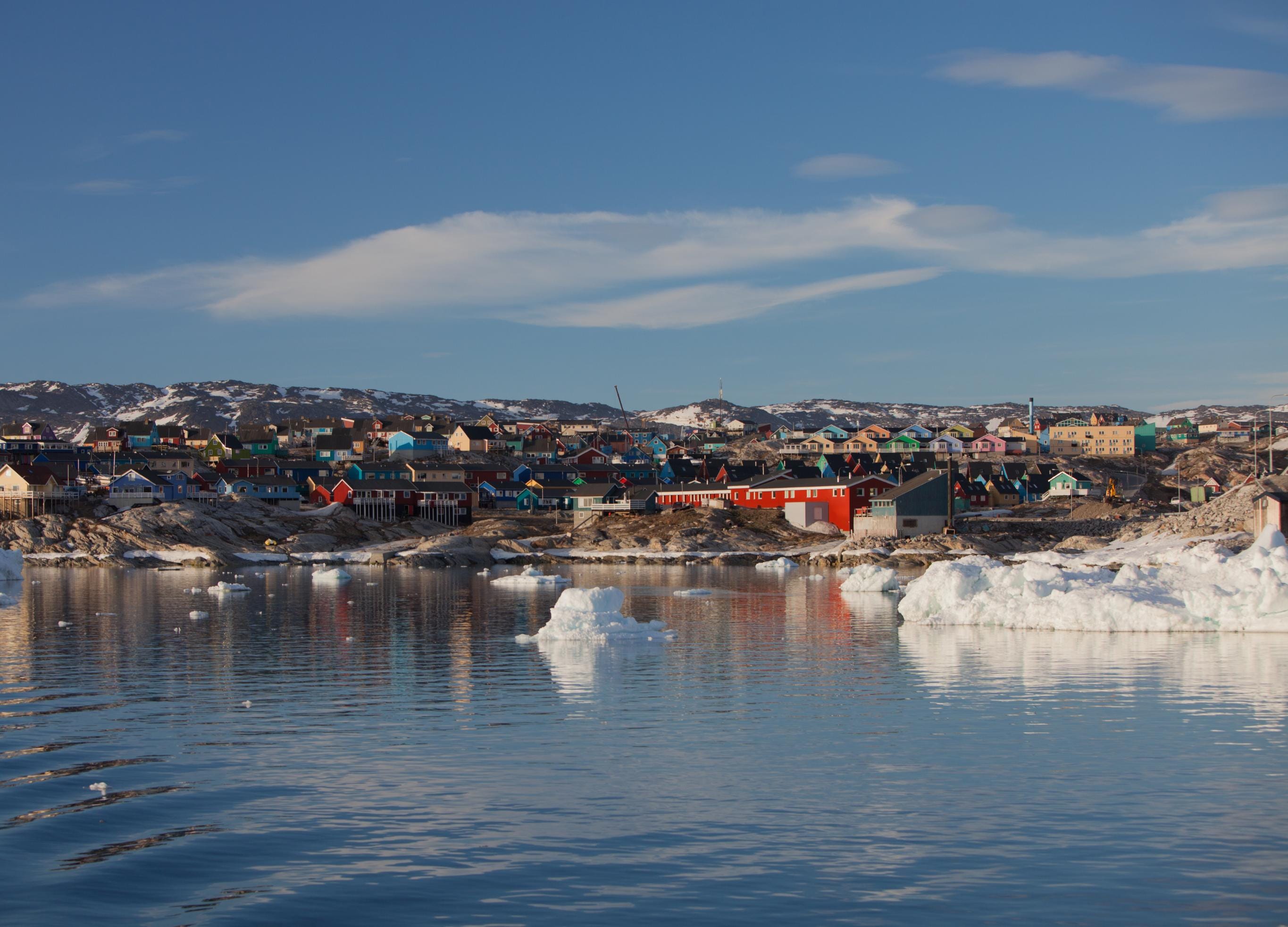
Ilulissat sits on Greenland’s west coast beside the Ilulissat Icefjord. One of the most active glacier systems in the world and a UNESCO World Heritage Site. It is also one of the country’s main tourism gateways. Welcoming travelers on expedition ships and small adventure tours.
Tourism in Greenland is growing. But the way people talk about tourism there feels different from many other places. The issue is not only how many people arrive. It is whether visitors actually understand the environment and culture once they get there.
Greenland watched what happened in places like Iceland, where tourism expanded quickly and communities struggled to keep up. The response here has been slower. More deliberate. More attention is placed on how visitors are prepared for the place they are arriving in.
The Ilulissat Icefjord Centre helps visitors understand the landscape as both cultural and natural heritage before they head out to explore. Exhibits explain hunting traditions, climate change, and how local communities depend on the fjord.
Visitors are often briefed before they start exploring.
When rules appear without context
Many places respond by adding rules as tourism grows. Signs appear along trails. Drone bans are introduced. Visitor codes of conduct are posted at visitor centers.
Those tools help, but they rarely explain what the rules protect and why.
When visitors see rules without understanding what those rules protect, the restrictions can feel hasty. A boardwalk through fragile vegetation becomes an inconvenience instead of a safeguard. A drone ban feels bureaucratic rather than protective. A local tradition may look shocking rather than part of everyday life.
Visitors may follow the rule without ever really understanding why it exists.
Tourism often focuses on moving visitors through places.
Orientation asks a different question.
Do visitors understand the place they just entered?
Explaining the place first
Many guides and locally run tourism businesses in Greenland start somewhere else. They explain the place before presenting the rules that apply within it.
When visitors understand how people live with wildlife, why some seasons matter for nesting birds, and how hunting traditions developed, the rules they encounter later make a lot more sense.
Stories do not replace rules. Stories explain them.
In smaller communities such as Ilimanaq or Kapisillit, local guides explain how people live with the seasons, the land they depend on, and the traditions that shape daily life. Visitors begin to see the landscape as something people live with, not just scenery.
Moments of doubt become moments to explain the place.
In several Greenlandic towns, residents have helped shape visitor guidelines. They include simple things like asking before photographing people and respecting private spaces.
Field Notes: Greenland
While traveling in Greenland, a few observations made differences especially clear.
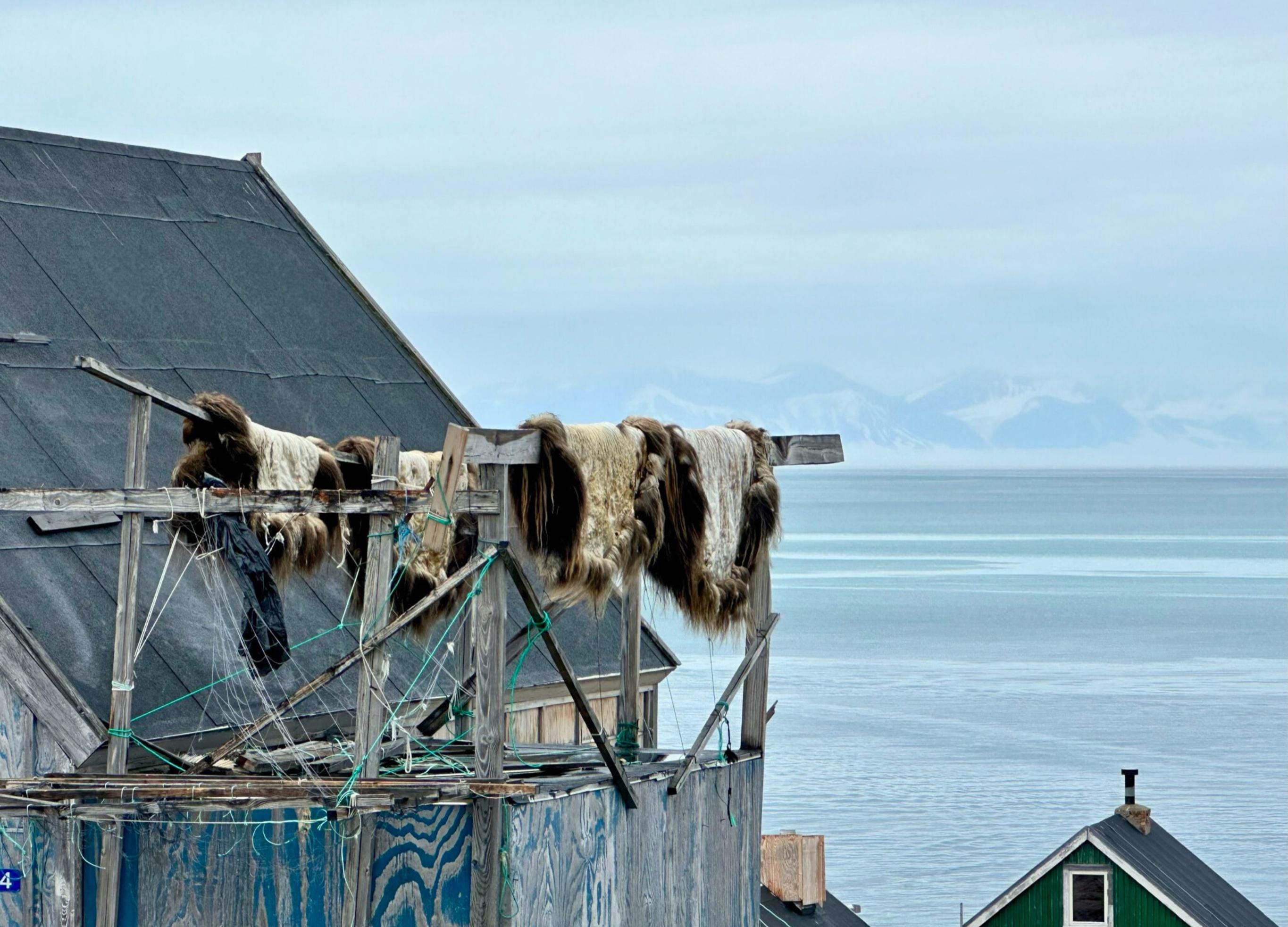
In some villages, polar bear pelts hang over porch railings or appear in local shops. Without context, visitors are not quite sure what they are looking at. Some may even be surprised to learn that animals considered protected elsewhere are hunted here.
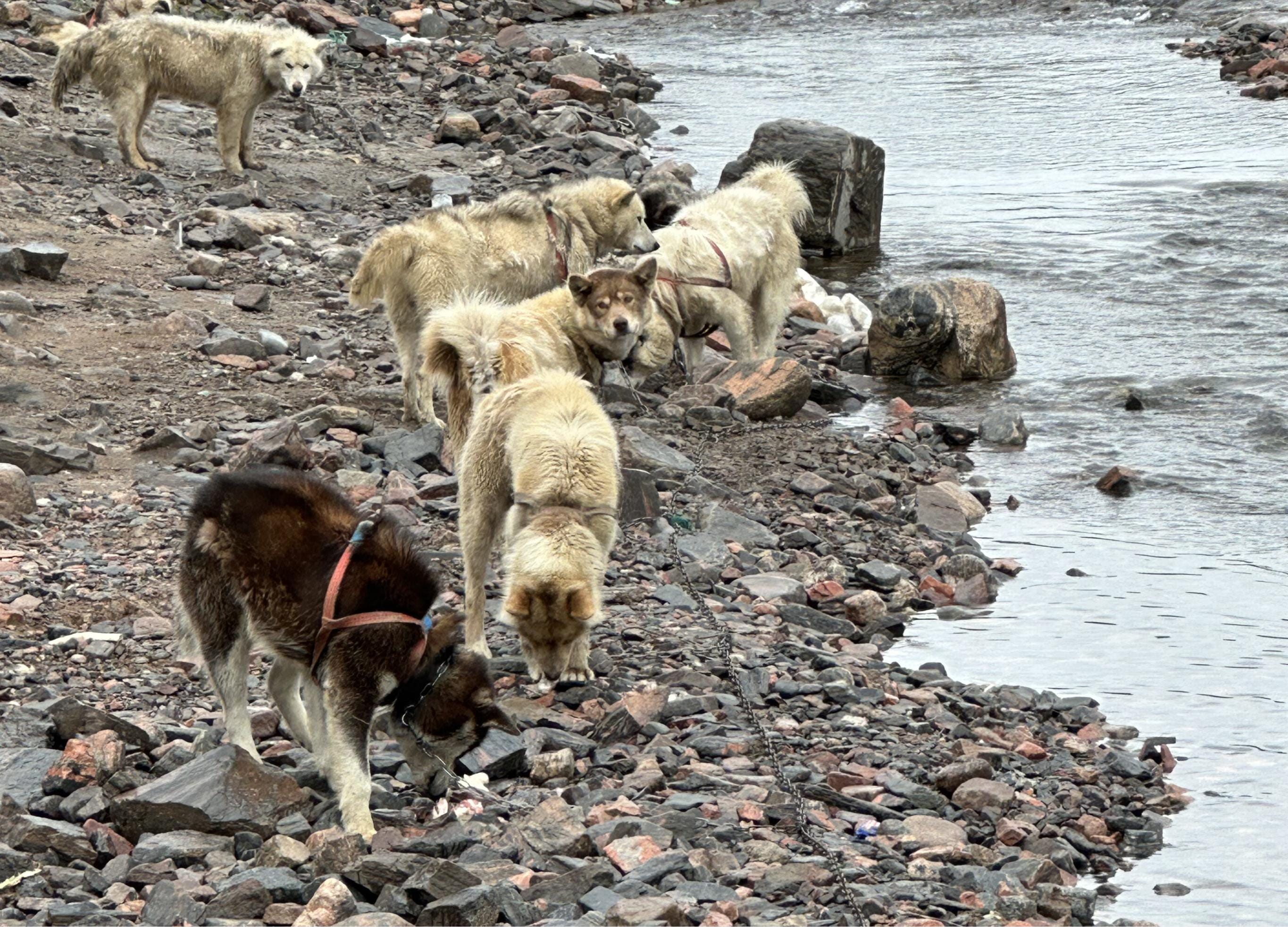
Sled dogs are often kept outdoors along the edges of settlements. For travelers used to seeing dogs as household pets, the scene can feel harsh until the role of working dogs in Arctic travel and hunting is explained.
None of this comes from disrespect.
More often, it reflects expectations people bring with them from somewhere else.
Every place that welcomes visitors has its own version of this moment. It is when visitor expectations meet the reality of how the place works.
Working fishing docks, livestock pastures, sacred sites, alpine meadows, coral reefs, ski trails, sand dunes, and farms all mean something to the people who live there. Without context, visitors may not realize what they are looking at.
The details differ everywhere. In a ski town it’s trail etiquette. In a beach community it’s dune protection. In a historic city it’s noise and neighborhood life. In rural areas it’s private land and working farms.
But the pattern is the same.
Visitors arrive with expectations shaped in other places. But every place works by its own rules.
Preparation before visitors arrive
Some of that preparation starts before visitors ever set foot in Greenland.
Visit Greenland even published an article called Why Greenland May Not Be for You. It asks travelers to think carefully about their expectations and explains what visiting remote Arctic communities is really like.
Expedition cruise companies visiting Greenland follow guidelines from the Association of Arctic Expedition Cruise Operators (AECO). Before passengers go ashore, they are usually briefed about wildlife, local culture, and how to behave in fragile environments.
Visitors are encouraged to understand the place before they start exploring.
What understanding changes
People working closest to visitors notice the same pattern. Guides, tour companies, small hotels, and local hosts see behavior change once people understand the place they are in.
When travelers understand why fragile vegetation is protected, they stay on designated paths. Once they learn why wildlife areas are sensitive during nesting season, drone bans start to make sense. And when they hear how communities depend on surrounding ecosystems, people keep more distance from wildlife.
Preparation shapes behavior. It also changes who decides to come in the first place.
People working in tourism in Greenland often say the same thing: visitors who come with context stay longer, spend more in local communities, and ask better questions.
They are not different people.
They were simply prepared differently.
Where understanding still falls short
Not everyone in tourism believes that explaining the place will solve visitor behavior problems.
Some destination managers say the information is already there, in signs, visitor centers, and tour briefings, yet people still ignore basic guidelines. Others point out that many travelers are only there for a few hours or never read the information before arriving.
Residents in busy places raise another concern: sometimes there are simply too many visitors.
Even respectful visitors can change daily life when large numbers arrive at once.
Short cruise visits can make this harder. Passengers may only spend a few hours on land, leaving little time to really understand the place.
Social media is also changing how people behave when they travel. Dramatic photos and unusual experiences get attention online. Visitors may know a cliff edge is dangerous or a wildlife area is sensitive, yet still step closer for a photo that will stand out.
So, good preparation cannot eliminate every problem.
It reduces the chances that confusion turns into conflict between visitors and the places they came to see.
Questions places might ask
Every destination eventually runs into the same moment. It is worth asking:
What assumptions do visitors arrive with?
Where do those expectations collide with local reality?
Are visitors encountering rules before they understand what those rules protect?
Where should understanding begin, before visitors arrive or after problems start?
A pattern worth noticing
The pattern visible in Greenland appears in many places. Most visitors do not arrive intending to disrespect a place. More often they arrive carrying expectations from somewhere else about what is normal and how a place works.
Greenland itself has often been marketed through dramatic images of icebergs, glaciers, and adventure. Those images start shaping expectations long before travelers arrive.
When those expectations run into a different way of living, confusion usually comes first. Behavior follows. Places often respond with more rules. The harder work is helping visitors understand the place before expecting them to behave differently.
Responsible tourism often begins with orientation, helping visitors understand the place before they start moving through it.
In that light, the way a place is introduced to visitors, from website text to arrival briefings, becomes part of tourism design rather than an afterthought.
Frequently Asked Questions
Isn’t this just a Greenland thing? Our destination is completely different.
Greenland is a clear example, but the pattern appears in many places. Visitors arrive carrying expectations from somewhere else about what is normal and how a place works.
In a wine region, it may show up when travelers wander into working vineyards. In a fishing harbor, it appears when tourists walk onto active docks. In a desert park, it happens when visitors underestimate heat and distance.
The landscape changes. The moment when expectations meet reality does not.
We already explain the rules through signs, websites, and visitor centers. Why would more explanation make a difference?
Many destinations do provide plenty of information. The issue is often timing.
Rules land differently when people understand what those rules protect. When visitors first hear how a place functions. How land is used, how wildlife behaves, and how people live there. The rules that follow tend to make more sense.
That does not solve every problem. But it reduces the number of conflicts that start with simple confusion.
Most of our visitors are only here for a few hours or a weekend. Are they really going to read orientation materials?
Short visits do make this harder. Many travelers move quickly through a destination and absorb only bits and pieces of information.
Some places are experimenting with quick orientation moments: a short explanation from a guide, a story shared at a trailhead, a simple introduction at a harbor, ferry dock, or visitor center. Even a few minutes of context can change how people interpret what they see.
Understanding does not always require a long briefing. Sometimes it begins with a single clear explanation.
Isn’t the real issue too many visitors, not misunderstanding?
In some destinations, that is absolutely true. Large numbers of visitors can change the pace of daily life even when people behave respectfully.
Preparation cannot solve structural issues like crowding or infrastructure limits. But it can reduce the number of moments where confusion turns into unnecessary conflict between visitors and residents.
It is not a complete solution. It is one piece of a larger puzzle.
Doesn’t tourism marketing create unrealistic expectations in the first place?
Marketing naturally focuses on the most striking images of a place. Those images shape expectations long before visitors arrive.
The challenge is making sure the story does not stop with the photograph. When destinations also explain how people live in that landscape. How the land is used, and what matters to the community. Visitors arrive with a fuller picture.
Images attract attention. Context helps people understand what they are seeing.
Some visitors simply don’t care. Can preparation really change behavior?
There will always be a small number of visitors who ignore guidance. Preparation will never reach everyone.
But many travelers do respond once they understand the place they are visiting. Guides, small hotels, and local hosts often notice the same pattern. Visitors who arrive with context tend to ask better questions, move more thoughtfully, and stay longer.
Preparation does not change everyone. Often it changes enough people to make a difference.
Residents often feel tourism disrupts daily life. Can visitor orientation actually help with that?
In many places, the frustration appears in small moments. Someone blocks a narrow street to take photos. A visitor wanders onto private farmland. A drone appears over a quiet neighborhood. None of it may be intentional.
But those moments accumulate.
When visitors understand how a place functions, where people live, work, and draw boundaries, they move through it with more awareness. Orientation will not remove every tension, but it can ease many of the everyday friction points between residents and visitors.
Sources and Further Reading
Visit Greenland tourism strategy and visitor expectations guidance
Ilulissat Icefjord Centre interpretation and visitor orientation initiatives
Arctic Expedition Cruise Operators (AECO) visitor guidelines and community collaboration
Responsible tourism and community-based tourism initiatives in Greenland