

Destination Sunday: When Peak Season Becomes the Plan
Not every problem is about demand. Some start with planning.

Mike Doten isn’t farming today.
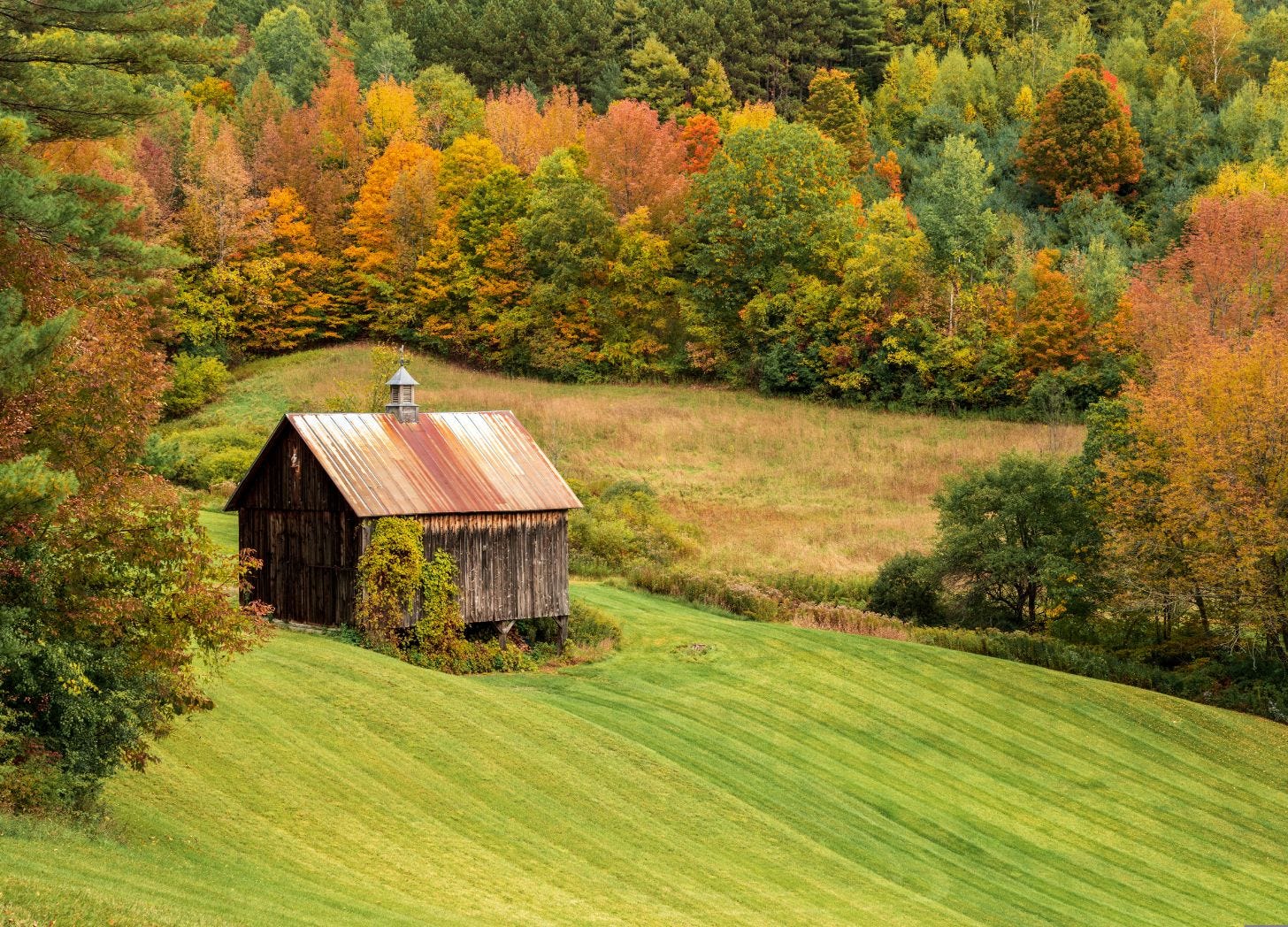
He’s standing on his 80-acre property in Pomfret, Vermont, watching his tractor idle. He’ll use it again this afternoon. Not to work his land, but to haul another rental car out of a ditch along Cloudland Road. Behind him, more than a hundred vehicles line the narrow, unpaved lane, parked on lawns and in driveways. A woman has set up a portable changing booth, cycling through outfits for photos with Sleepy Hollow Farm in the background.
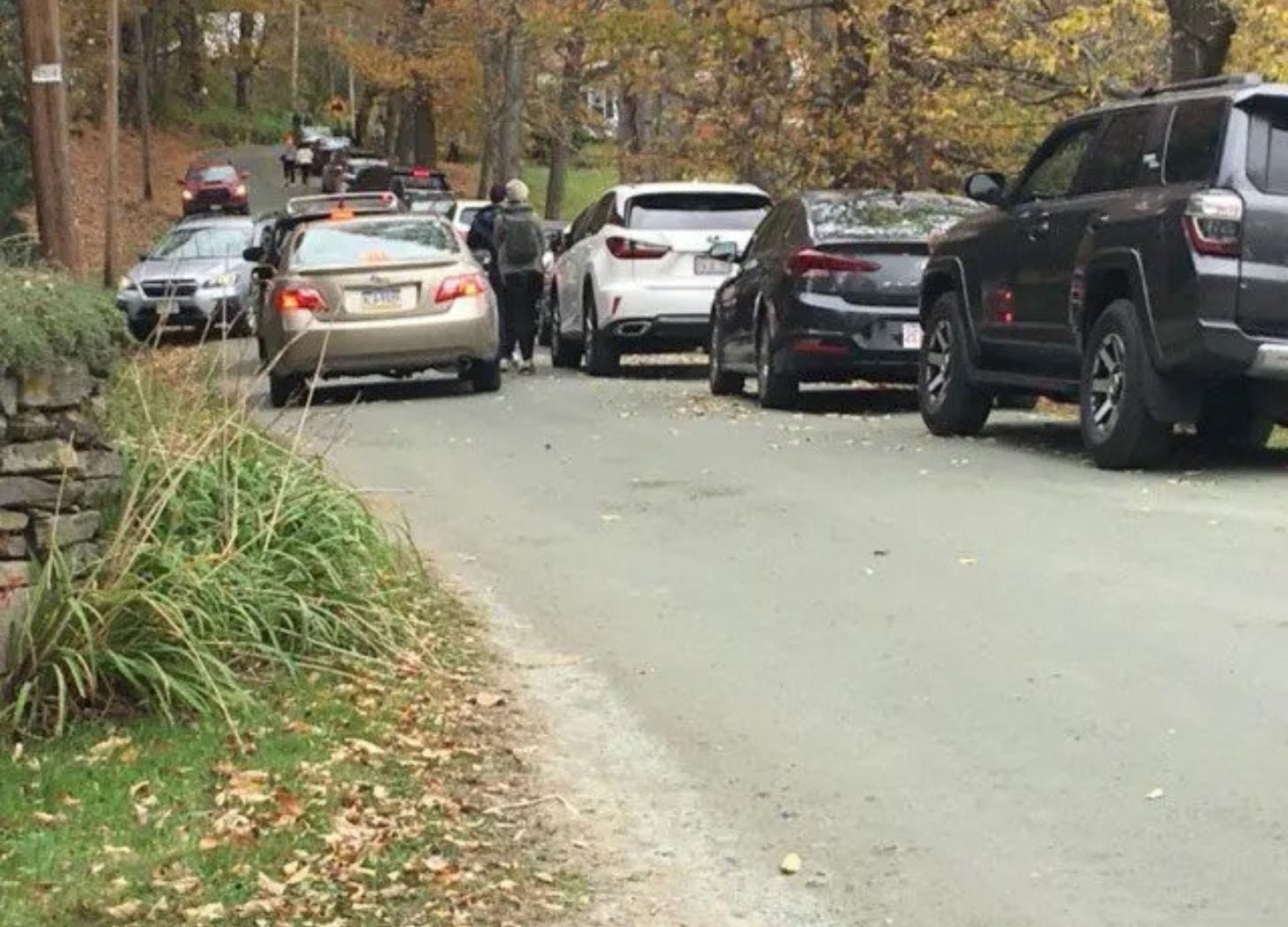
This is peak foliage season. Instagram and TikTok made this 900-person town one of Vermont’s most photographed locations.
But there’s no coordinated parking.
No visitor management.
No way finding.
Tourists swim in residents’ ponds, knock on doors asking for bathrooms, sit on front porches having picnics.
No one signed up for that. And yet it happened.
The town’s solution? Residents crowdfunded $22,000 to hire sheriff’s deputies and close their own roads for three weeks each fall.
No DMO stepped in. No tourism board coordinated the response. The destination’s busiest moment arrived, and the people who live there had to manage it themselves.
What you’ve been told
Most destinations don’t build their entire year around six weeks on purpose.
Over time, those peaks become the anchor for nearly every decision.
Across the EU, July and August account for nearly a third of all tourism nights. In Greece, more than 56% of annual tourism occurs in those two months alone.
When a destination lives or dies by a six-week window, it’s no surprise that everything else fades into the background.
Where It Starts To Break Down
The issue isn’t that destinations focus on peak season. It’s that, over time, peak becomes the plan. Everything else gets treated like filler.
The destination’s public-facing presence gets stuck in one mode. A guest landing in October finds messaging designed for someone who came in July.
Operators who try to extend their season find themselves working against the destination’s own systems. The basics: signs, hours, events, who’s open, haven’t caught up. So the operator spends their time answering questions the destination should have answered first.
You’ve seen this if you’ve traveled in shoulder season. The bakery that Google says closes at 6pm closed at 3. The walking tour listed on the visitor site stopped running two weeks ago. You’re standing outside a museum at 4:30 on a Tuesday, and there’s a handwritten sign taped to the glass: Back in spring.
Nobody planned for you to be here.
And the destination loses control of its own calendar. The busy weeks get busier. The slow ones get harder to survive.
Whistler’s tourism research panel documented this a few years ago; 53% of shoulder-season visitors said their trip exceeded expectations, 11% below peak-season visitors. Fall and spring visitors were less likely to say the activities they wanted were actually available.
For the visitor, this shows up as confusion, closed doors, and a vague sense of having come at the wrong time.
That’s not a marketing failure. That’s a planning problem someone hoped would fix itself.
What This Costs
Seasonality has a way of holding local economies in place. Money sits unused, income stays uncertain, and when something breaks, everything feels more fragile than it should.
The workforce feels it too. Across the EU, tourism relies far more on temporary jobs than the rest of the economy. And nearly a quarter of those workers haven’t even been in their role for a year.
None of this feels like a big deal when it’s happening.
It just feels harder than it should. And everyone’s exhausted, pretending this is normal.
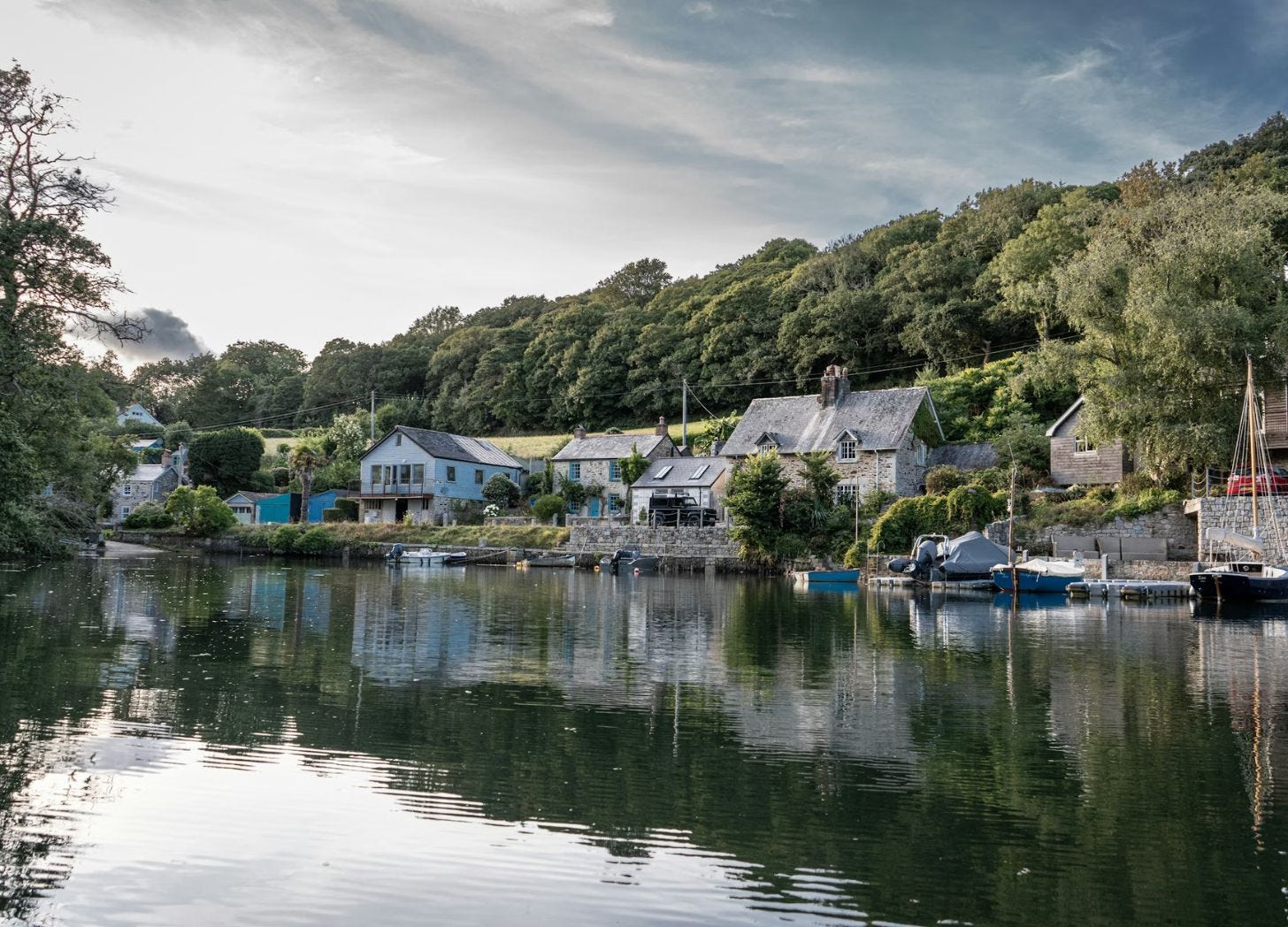
Sometimes the collapse is public. In October 2024, Visit Cornwall, the official tourism board for one of England’s most visited coastal regions, shut down due to financial problems. Operators who had stayed open past peak suddenly lost their coordinating organization just as shoulder season arrived. As Kelly Grigg of Cornish Bird of Prey Centre put it: “Half term is really important. It’s the last bit of money we’ll get before we close for the winter.”
These aren’t separate problems. They’re what shows up when planning only accounts for limits, not what’s possible.
What some destinations are doing differently
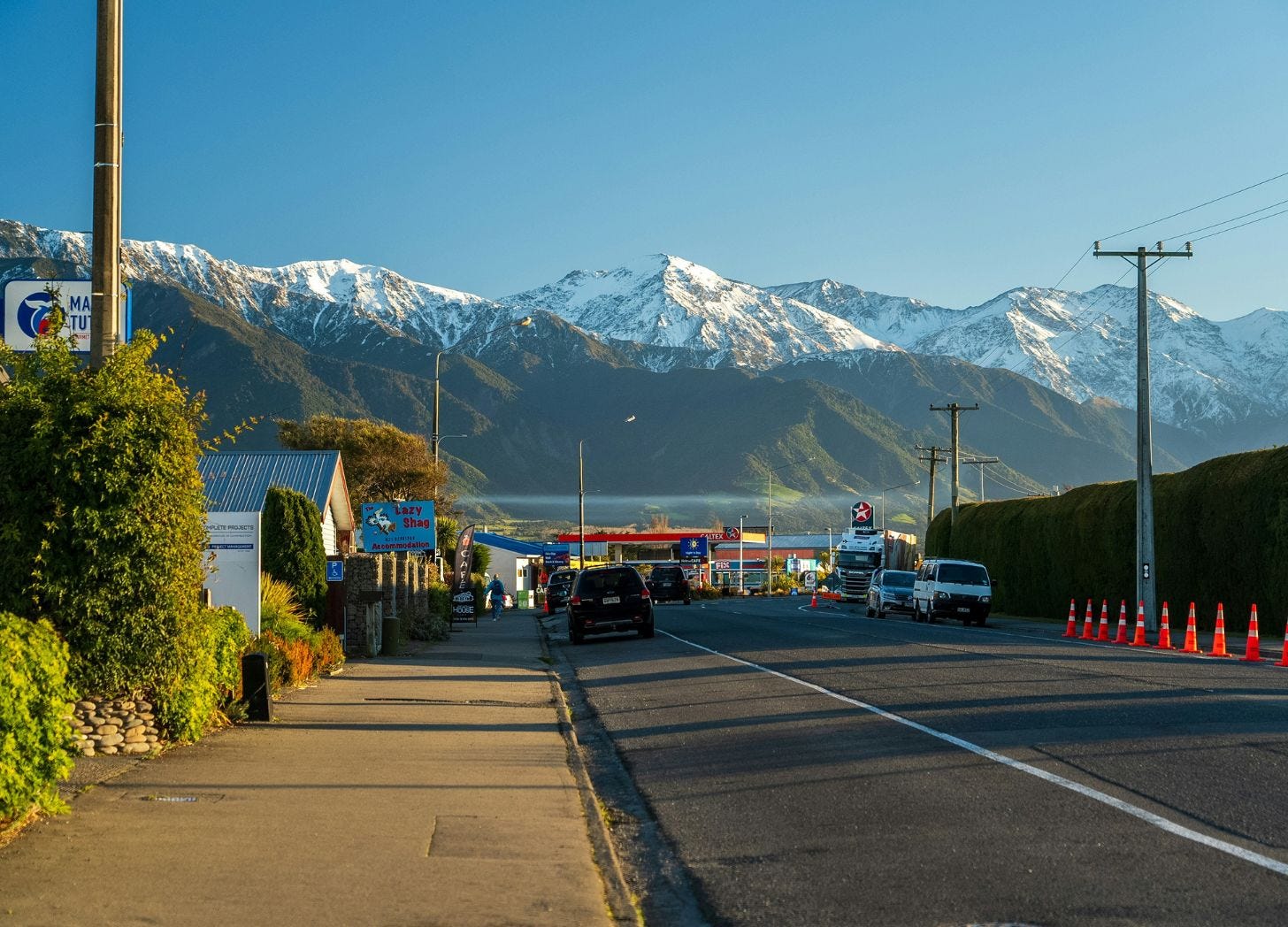
A few destinations have stopped treating shoulder season as an afterthought and started planning for it on purpose.
In 2024, Tourism New Zealand made a clear call: NZ$5 billion in international tourism growth, with 70% of it coming from off-peak visitors arriving between March and November. Their CEO, René de Monchy, didn’t sugarcoat why. Without deliberate action, he said, growth would keep piling into peak season. Straining infrastructure, wearing down communities, and leaving businesses with deeper off-season gaps.
People will show up. What matters is whether anything’s ready for them.
Iceland didn’t try to “fix” tourism after the 2010 volcano by selling harder. They went the other way.
Honorary Icelander invited visitors to step into everyday life. Real homes. Real people. Even the President opened his door. Pancakes included.
It worked. Within two years, most of Iceland’s tourism growth was happening outside peak season.
VisitScotland doesn’t wait until people are packing their bags to show up.
They focus ad spend in the months when trips are being planned, not taken.
Fall. Late winter. The quiet decision months.
One campaign returned £35 for every £1 invested.
That didn’t happen because Scotland is special.
It happened because they stopped treating peak season like the only season that mattered.
One Place Chose a Longer View
One region shows what this looks like when it’s taken seriously: the Thompson Okanagan Tourism Association.
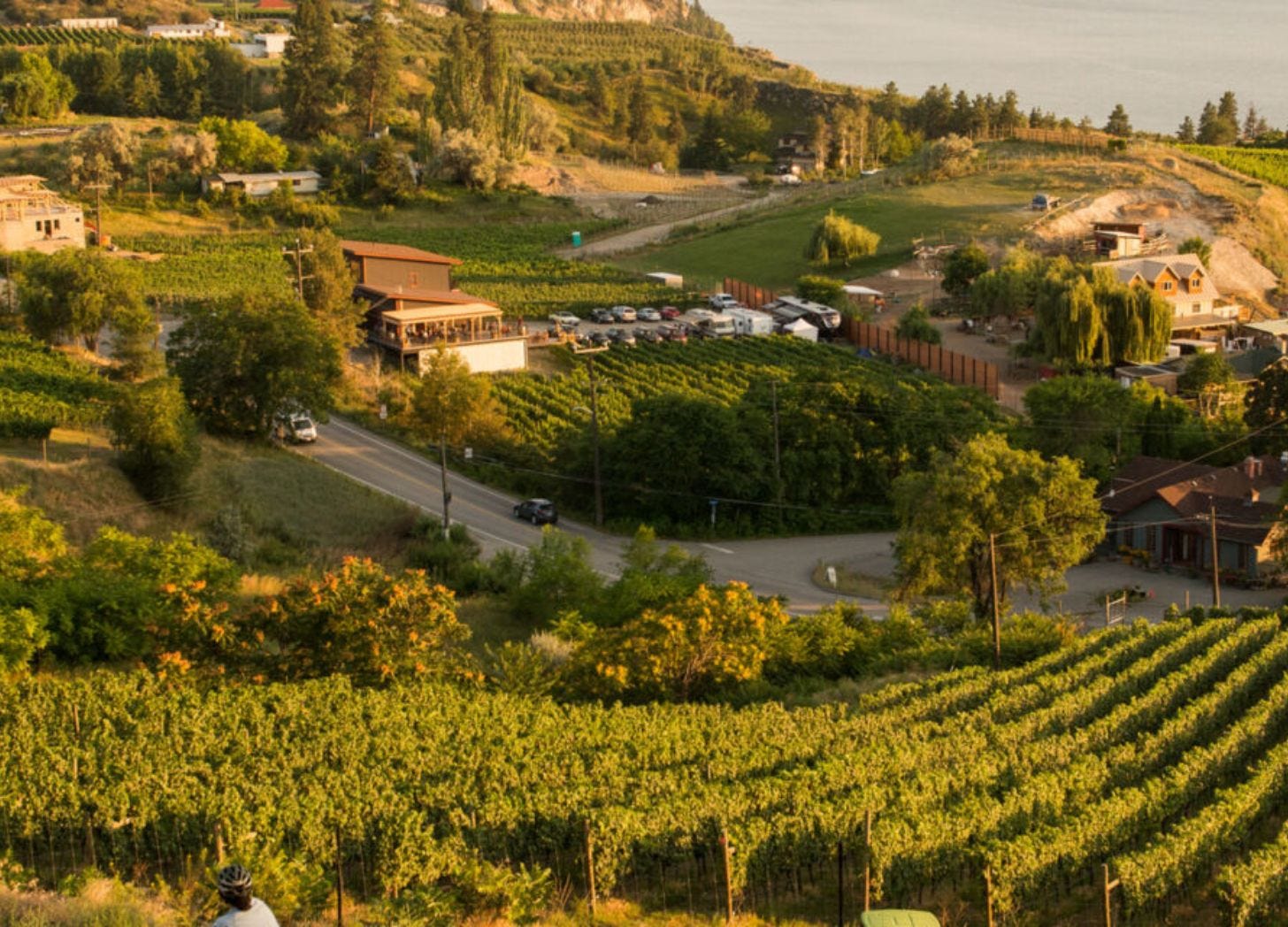
Ten years ago, nearly 80% of the region’s tourism revenue landed in a 45-day stretch.
High summer. Full wineries. Busy lake towns. And then… nothing.
The rest of the year, operators scraped by. Some closed early. Some never reopened. Everyone planned around the same narrow window and hoped it would carry them through.
The region didn’t respond with a new campaign or bigger ads.
Instead, they committed to a 10-year regional strategy built the slow way. Through 90 communities and more than 1,800 stakeholder conversations.
The goal was simple, and ambitious: turn 45 usable days into 200.
By 2019, they had stretched the season to 110 days.
September, once written off, started to matter.
Wine and culinary tourism gave people a reason to come after summer.
Rail trails pulled visitors inland instead of bottlenecking lake towns.
Indigenous cultural experiences created reasons to visit that weren’t tied to weather.
Glenn Mandziuk, the CEO put it simply:
“We didn’t want to sell our souls for tourism just for the sake of tourism.”
Nothing flashy. No silver bullet.
Just a long decision to stop treating those 45 days as inevitable.
Planning for Peak vs. Planning for the Year
When the old lens holds, peak season gets more crowded, more expensive to serve, and more fragile. Everything depends on the same high-demand visitors showing up at the same time.
Operators sprint through the busy months, then limp through the slow ones. Staff burn out. Shoulder-season visitors feel like an afterthought, and they talk about it that way.
Research backs this up. What brings people back isn’t a high satisfaction score. It’s whether the experience feels intentional. Whether what they find matches what they were promised. Whether it makes sense for that moment.
That’s what sticks.
When the lens shifts, something else becomes possible.
Dennis Buurman runs Encounter Kaikoura, a whale-watching operation in New Zealand. Planning for year-round visitors—not just the summer rush—let him expand the business, keep people employed longer, fund trail development, and support the local playcentre.
As he put it:
“The expansion of the business has enabled us to do so much more to help the community.”
For the traveler, the difference is simpler: They arrive and find a place that expected them.
The Decision That Gets Made Too Late
The core constraint isn’t budget. It isn’t staffing. It isn’t even marketing.
It’s timing.
Specifically: when shoulder season actually comes up, and whether it’s already too late.
In most destinations, shoulder season enters the conversation after the money’s spent, the calendar’s full, and the team’s already hired or let go. By the time it comes up, the decisions that matter are done. You’re not planning. You’re scrambling.
And improvising has a cost. You see it in the employee who never gets the call back. In the café owner who stayed open one more month and watched the destination sell a season that was already gone. In the guide who built something good and couldn’t get anyone to list it.
When a destination manages to stretch its season by even a month or two, things start to ease. Fewer layoffs. Fewer frustrated locals. Less panic every year. But that only happens when shoulder season is part of the plan from the start. Not something you scramble to fix once peak is over.
Most destinations don’t skip shoulder season on purpose. It just doesn’t come up until after the decisions are already made.
A Moment for Destination Leaders
You don’t need to overhaul everything.
But you might start to notice where the peak-only lens still shows up in your planning.
When was the last time you looked at your destination’s public materials through the eyes of a shoulder-season visitor? Where would they go for information? And how clear would it be? Which operators are already extending their season, and how much of that work are they carrying alone?
What story does your destination tell when it isn’t busy?
This week, one move
Before your next planning cycle begins:
Pick one non-peak month and plan it as if it were peak.
Not with the same budget. Not with the same intensity. But with the same intentionality.
Ask the same basic questions: where visitors get information, how operators are supported, and whether your public-facing messaging actually matches what’s happening on the ground.
If September or October had a seat at the table in January, what would you do differently?
That’s the conversation worth starting.
For Monday: This lens raises a practical question for operators: When your destination’s coordination doesn’t match your operating window, where do you spend the most time filling the gaps?
That’s where the real costs live, and where the next conversation starts.
Pomfret didn’t fail because it was popular. It failed because popularity arrived without planning.
A destination’s reputation isn’t written during its busiest weeks. It’s written when nothing is staged.
Well put and so many great points in here!