

Tulum: When the Experience Stops Matching What’s Sold
No single actor caused it. But no one stopped it while they were still profiting.

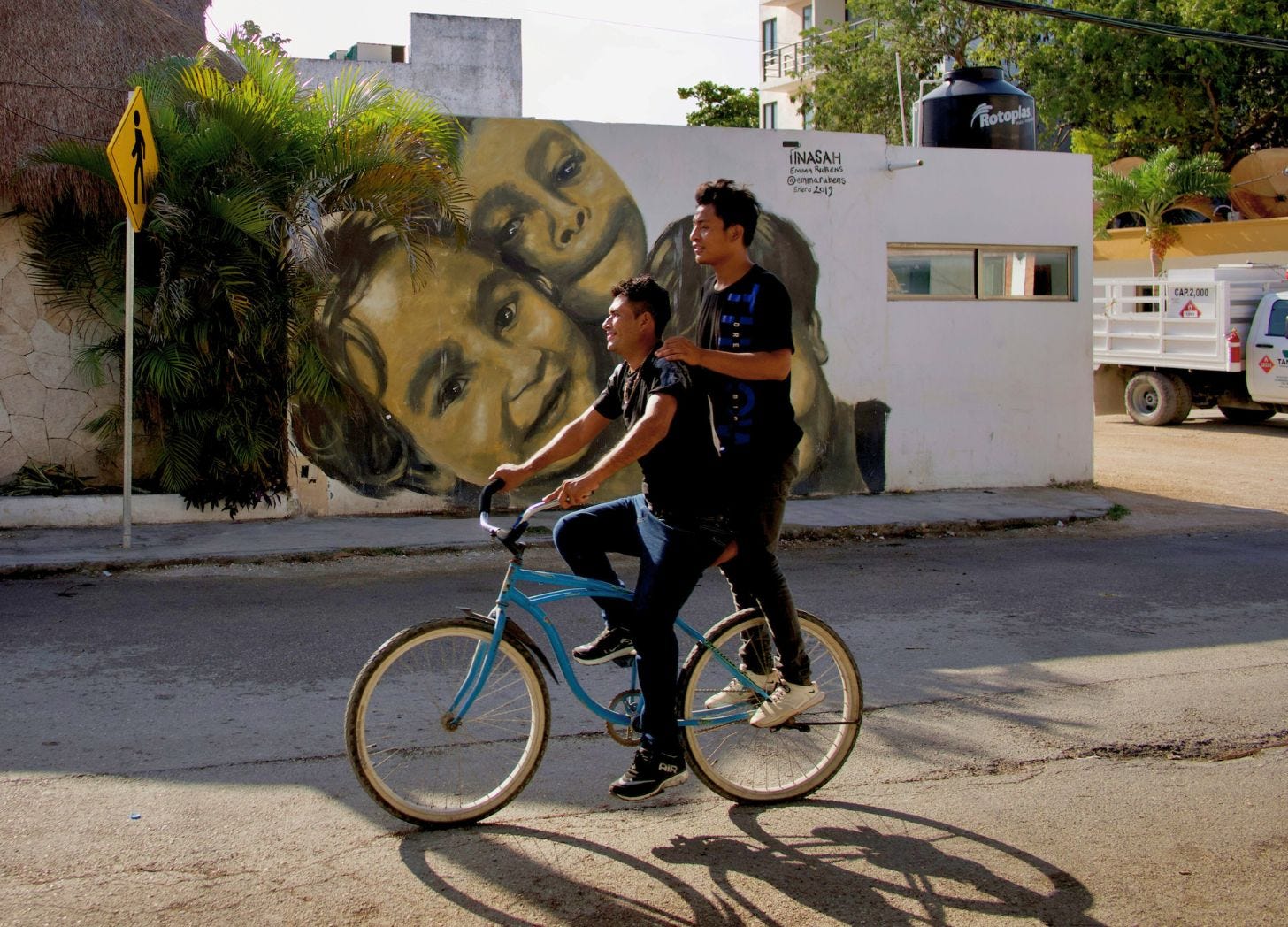
A Walk Through Tulum Today
On Reading Between the Lines
This wasn’t about marketing fatigue or changing travel trends.
It was about trust eroding before arrival. About a destination losing bookings quietly, long before price ever entered the conversation.
I lived in the region for over 20 years. Back when the highway to the beach was a narrow lane-and-a-half road with more bikes than cars. What’s happening now isn’t a surprise. It’s the bill that comes due when the experience stops matching what’s sold.
The New Airport, the First Signal
Tulum International Airport opened in December 2023 with fanfare. Direct flights. Headlines. A signal that growth was coming.
By late 2025, airlines were cutting service. December 2025 scheduled capacity was down more than 20% versus the year before. International arrivals fell 43.7%. Five major U.S. carriers reduced service or pulled out entirely.
For a first-time visitor booking a trip in early 2026, this doesn’t look like a crisis. It looks like friction.
Once doubt enters the booking decision, the booking often goes somewhere else.
The Taxi: Where the Contract Breaks
The first real interaction in Tulum isn’t a welcome. It’s a negotiation.
No rideshare. Little transparency. A 30‑minute taxi from the Tulum airport often starts at a quoted fare of $60–80 USD. The guest suspects it’s inflated, haggles down to about $40 USD, and still walks away feeling taken advantage of.
This isn’t about the money. It’s about what the money taught them: nothing here will be straightforward.
From this point on, the guest isn’t relaxed. They’re alert.
What They See on the Way In
The drive to the hotel passes unpaved roads, abandoned builds beside new ones, streets designed for cars but not people. No sidewalks. No safe pedestrian space.
Not a deal-breaker on its own. But it confirms what the taxi already taught them.
This place is being built for transactions, not for people moving through it.
Infrastructure doesn’t have to be perfect. But it has to feel like someone’s responsible for it. When it doesn’t, guests infer that no one is responsible for the experience end to end.
Once that assumption sets in, every inconvenience feels intentional.
The Beach: When Belonging Is Unclear
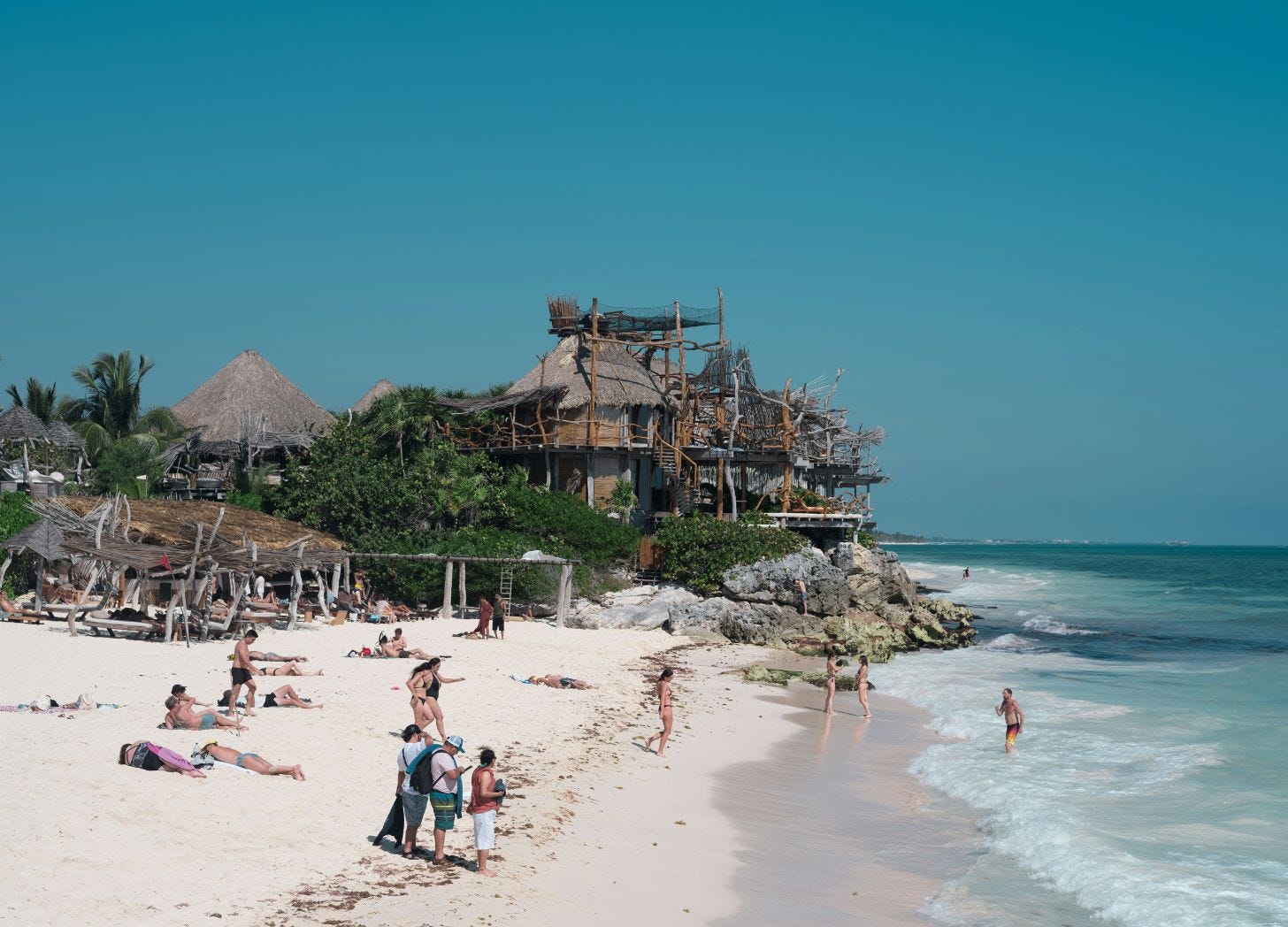
Guests arrive at the beach and encounter gates, minimum spends, and entry fees. Jaguar Park charges $415 pesos for foreigners (about $22 USD), and confusion about what’s public.
The right to access exists. In practice, it’s negotiated.
Protests throughout late 2025 made that negotiation visible. Highways blocked. Concessions forced. Conflict out in the open. By October, 16 hotels and beach clubs agreed to grant free access. But the month-long fight sent a signal to every guest considering a booking: this is not a peaceful place.
For guests, this isn’t a political issue. It’s a signal that the destination hasn’t resolved its own rules.
Guests shorten stays. They skip return trips. They stop recommending.
Service Under Pressure
Service interactions aren’t hostile. They’re strained.
Auto-added tips. Hints that it’s not enough. Charges that need correcting. A feeling that every exchange comes with pressure attached.
None of this ruins a trip outright. But it adds up.
Guests don’t experience generosity when every interaction feels conditional. They may empathize, but empathy doesn’t translate into loyalty.
What Residents Carry
Booking metrics miss this entirely.
A taxi driver in Tulum in January 2026 is probably earning less than they were in 2023, despite higher prices. Housing took a bigger bite of income. Traffic got worse. Competition for fares increased. And they’re carrying the weight of every negotiation, every guest who arrives skeptical, every moment where they have to convince someone they’re not scamming them.
A resident who grew up here is watching their hometown gentrified beyond recognition. The poverty rate jumped from 32% in 2015 to 62% by 2020. The highest increase of any city in Mexico during that period. Beaches they used freely are now paywalled. Housing they could afford is now owned by investors who will never set foot there.
These people are not the problem. They’re carrying the consequences of decisions they didn’t make.
But guests don’t know that. They just feel the strain.
How the Day Adds Up
By evening, the guest understands how the place works.
The room was fine. The beach was beautiful.
But the effort required to navigate the stay doesn’t match the price point.
At $450 a night, guests expect ease. What they experienced was vigilance.
So they make a decision that never appears in a review and never triggers a complaint:
Then You See the Data
Hotel occupancy in Tulum’s town center hit 15% in summer 2025. The beach zone: 30%. Year-over-year, occupancy fell 17.5 percentage points. The worst tourism season in a decade.
Hotels that charged $450 in 2024 struggled to fill rooms at $250 by low season 2025.
Prices cut, occupancy falling, airlines leaving. This doesn’t happen because marketing isn’t loud enough. It happens because operational confidence eroded while marketing kept running.
What Doesn't Come Back
When that decision repeats enough times, the damage becomes structural.
In 2025, airline routes were reduced. Some were eliminated entirely. Those routes don’t come back easily. Hotels dropped rates but still struggled to fill rooms. Workers who’d built careers in hospitality left for Cancún, Playa, or quit the industry entirely.
Once demand becomes brittle, recovery costs more than prevention ever would have.
This is the point of no return most destinations miss while still debating messaging.
How This Happens
Tulum was marketed as low-density, natural, and intentional.
What followed was development without proportional investment in infrastructure, housing, or public access. Tourism revenue surged. Resident costs surged faster.
No single actor caused it. But no one stopped it while they were still profiting.
And no one stepped in when the gap became obvious.
This Isn't Just Tulum
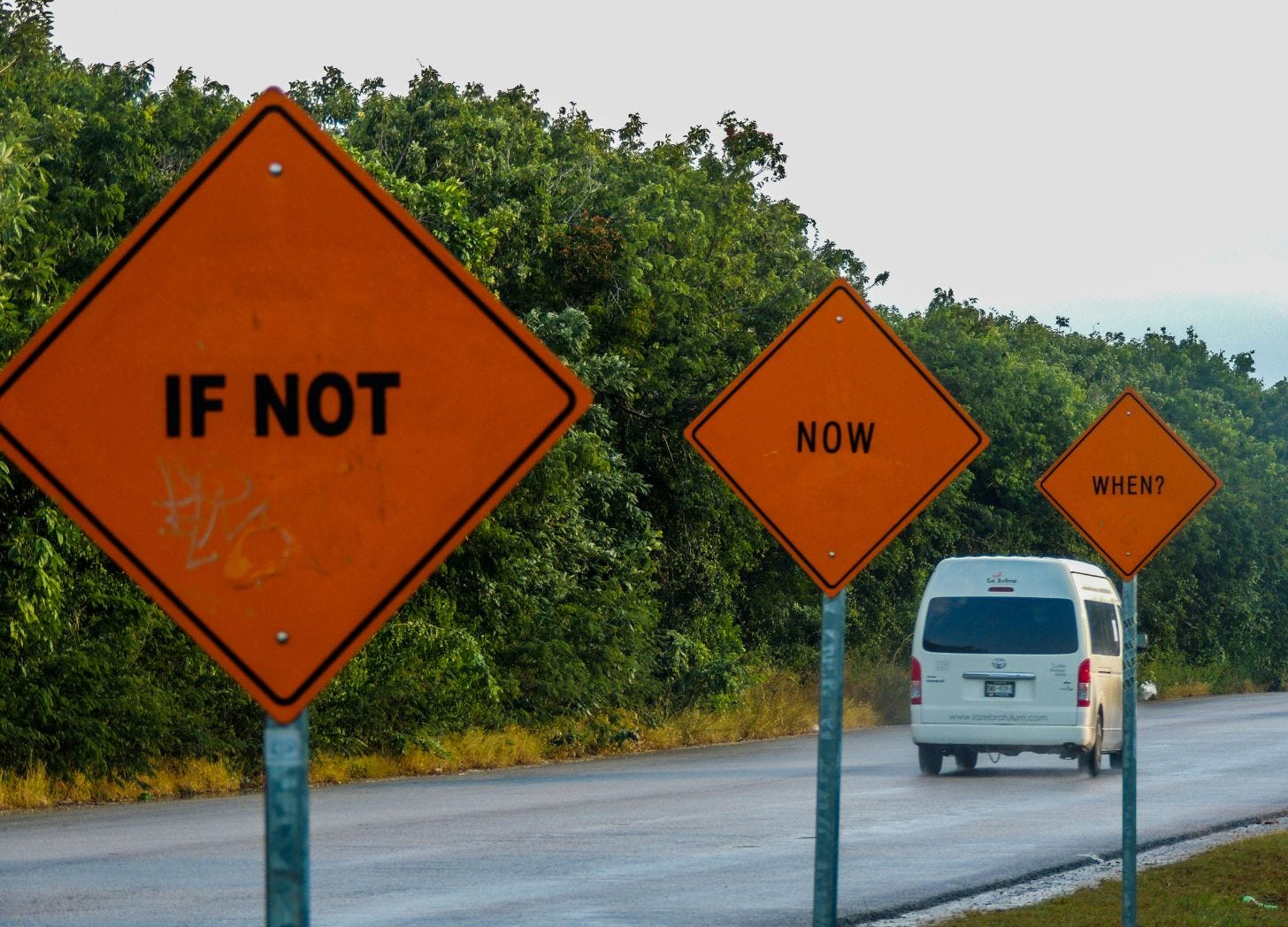
Tulum isn’t an anomaly. It’s a preview.
This same sequence is playing out in destinations where demand outpaces management. Where marketing accelerates faster than operations can follow.
If any part of this walk feels familiar, it’s because the same conditions are already in place.
What Marketing Can't Solve
Guests don’t need more inspiration.
They need fewer questions.
When guests don’t know what’s free, they assume nothing is.
When prices require negotiation, trust never recovers.
When residents don’t benefit, guests eventually notice.
These are the things that break a place. And by the time you’re measuring the damage, you’re already too late.
Read more

Excellent article and a cautionary tale.
I’ve been to Tulum twice - once in 1996 (magic) and again in 2018 (less magic but still OK, lots of taxi haggling and no ATM’s working).
The writing was well and truly on the wall in 2018.
I also went to Acapulco in 1996. I think it went through this boom and bust cycle in the 70’s & 80’s. By 96 it could be best described as faded grandeur. The main tourism was domestic and the pricing reflected that. I really liked it but those who invested big money to build actual grandeur probably didn’t.
I wonder if Tulum might go the same way. Harder to see in this day and age.
On the world tourism stage, has any iconic destination performed well, going from low-key beauty and ambiance to growth in a non-threatening fashion but with reasonable (maybe even massive) growth, Kay?